

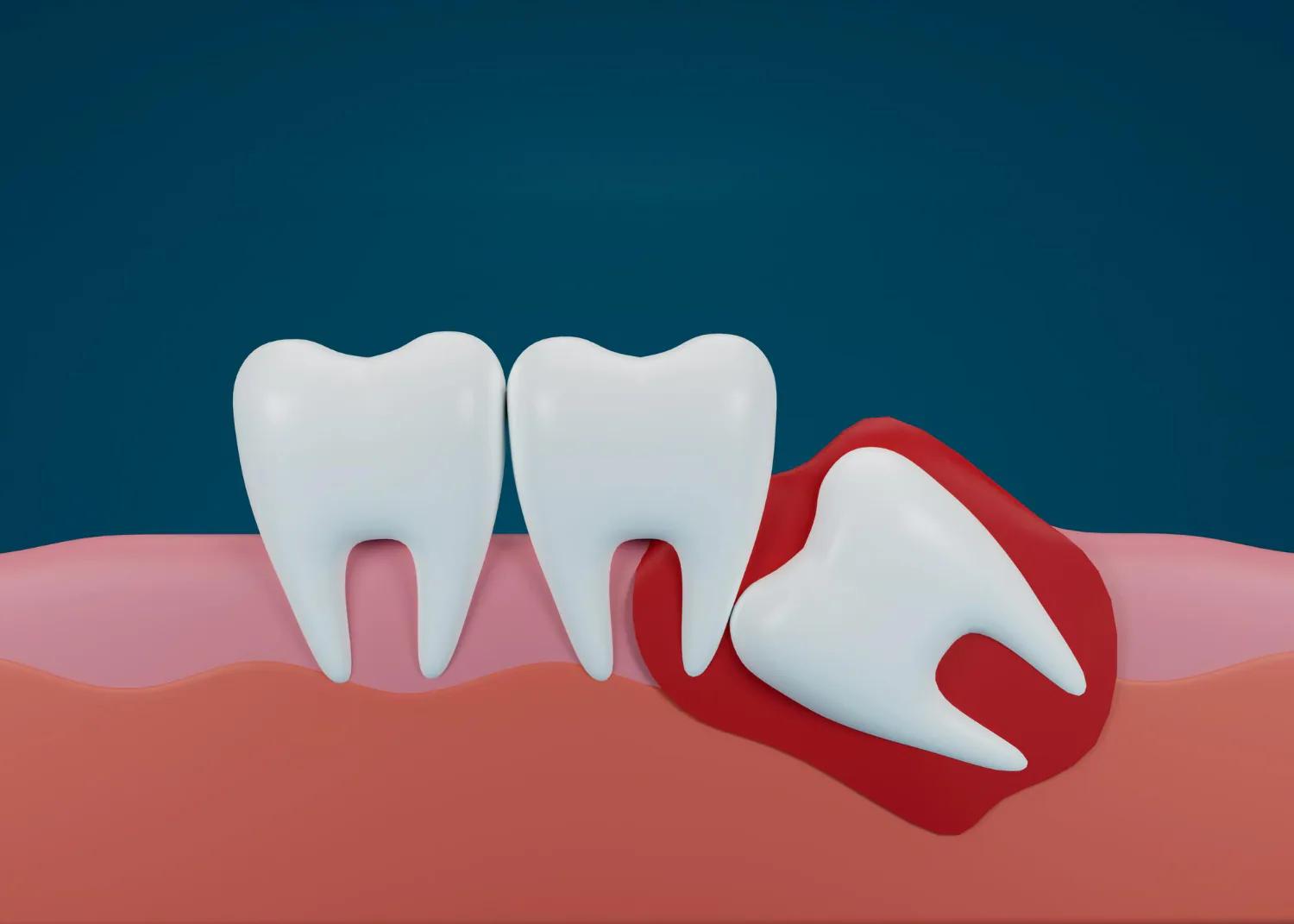
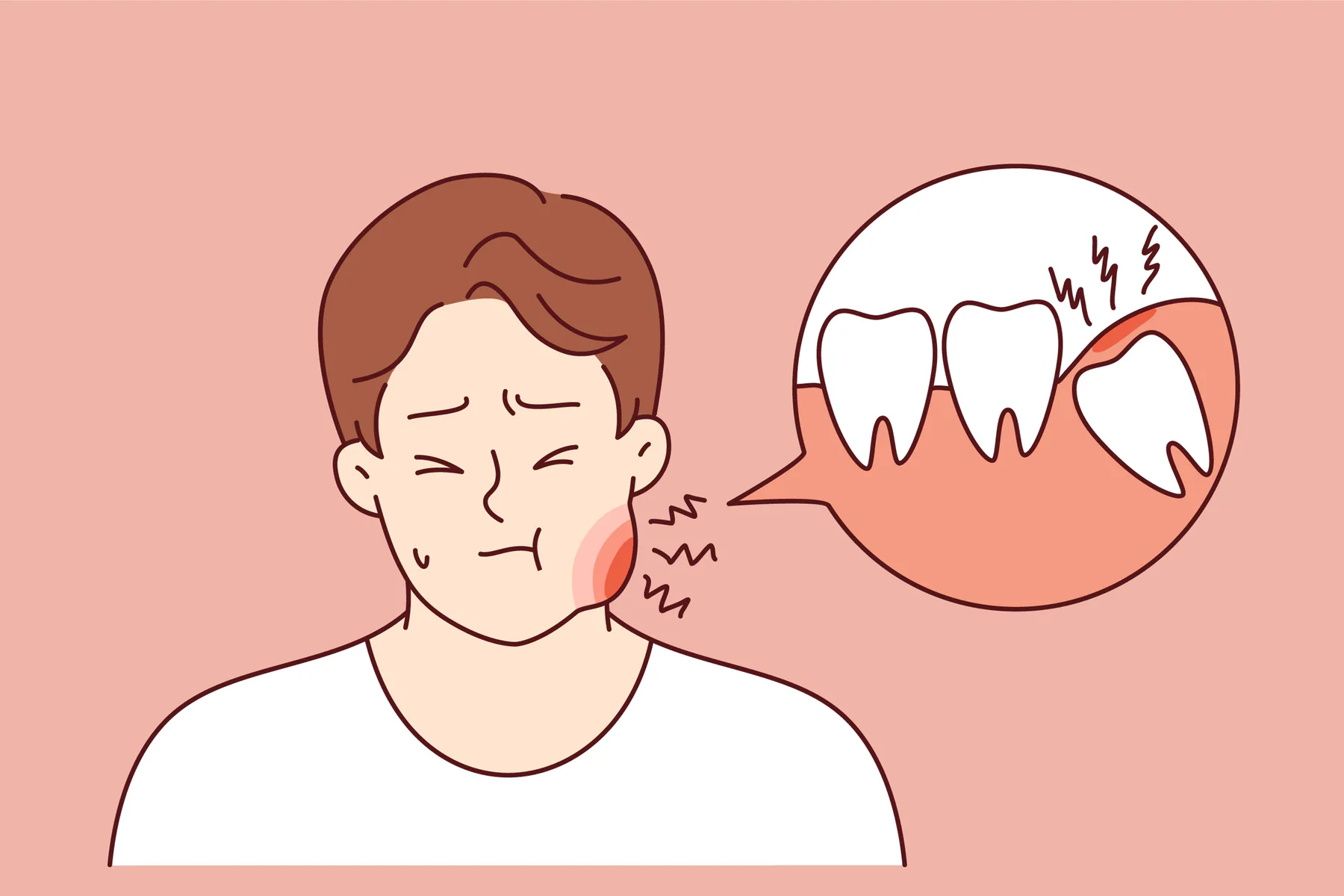

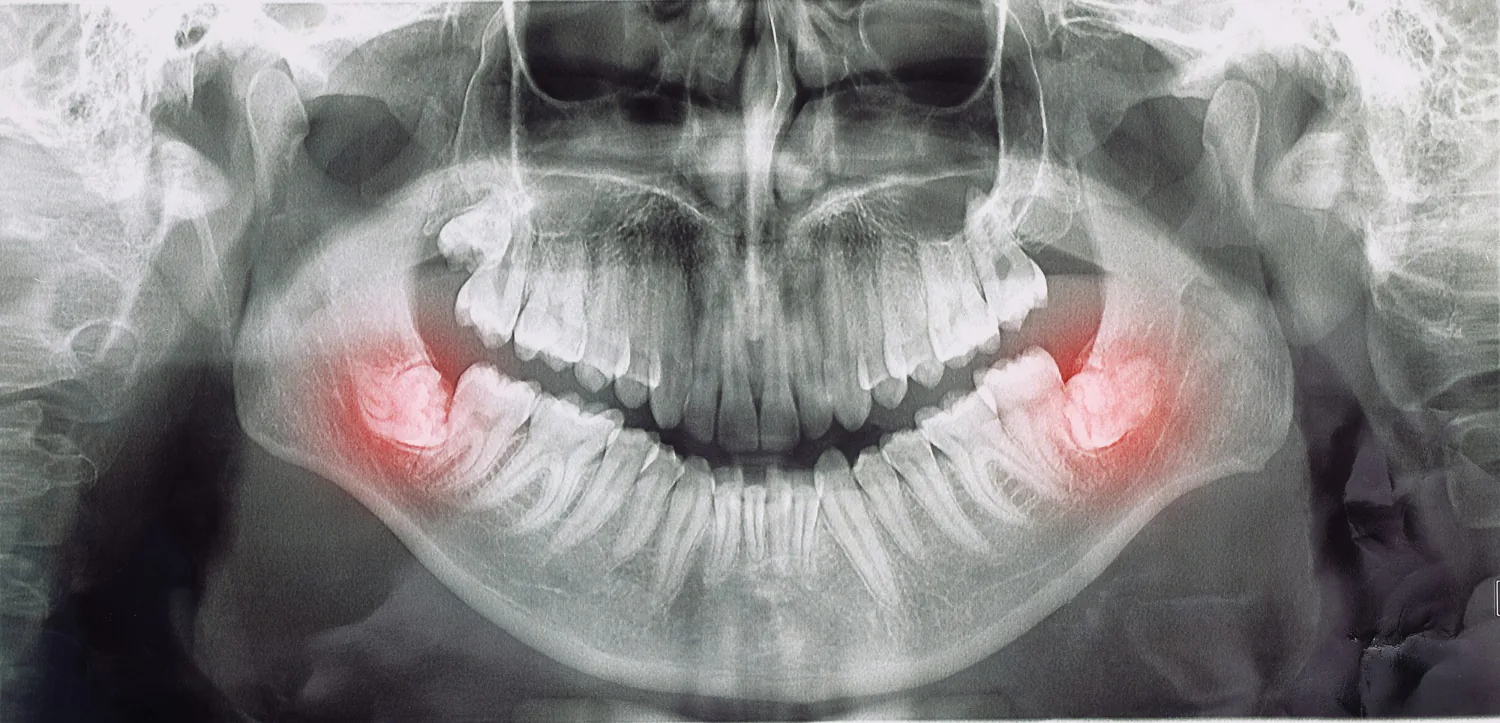
If your dentist recommends removing a wisdom tooth, they will explain the procedure, what type of anaesthetic may be used and what to expect during recovery.
Wisdom tooth removal is commonly performed under local anaesthetic, which numbs the treatment area. You may feel some pressure or movement during the procedure, but you should not feel sharp pain.
Sedation may also be available for patients who feel particularly anxious or are having a more complex procedure. It is used alongside local anaesthetic to help you feel calmer and more comfortable during treatment.
One review of sedation outcomes for wisdom tooth removal found that more than 70% of patients rated their experience as good. This suggests that sedation can be a helpful and well-established option for suitable patients.
After the procedure, some swelling, tenderness and discomfort are common during the first few days. Your dentist will provide aftercare instructions to support healing and explain when to contact the clinic if you have any concerns.