
What is a Dental Filling?
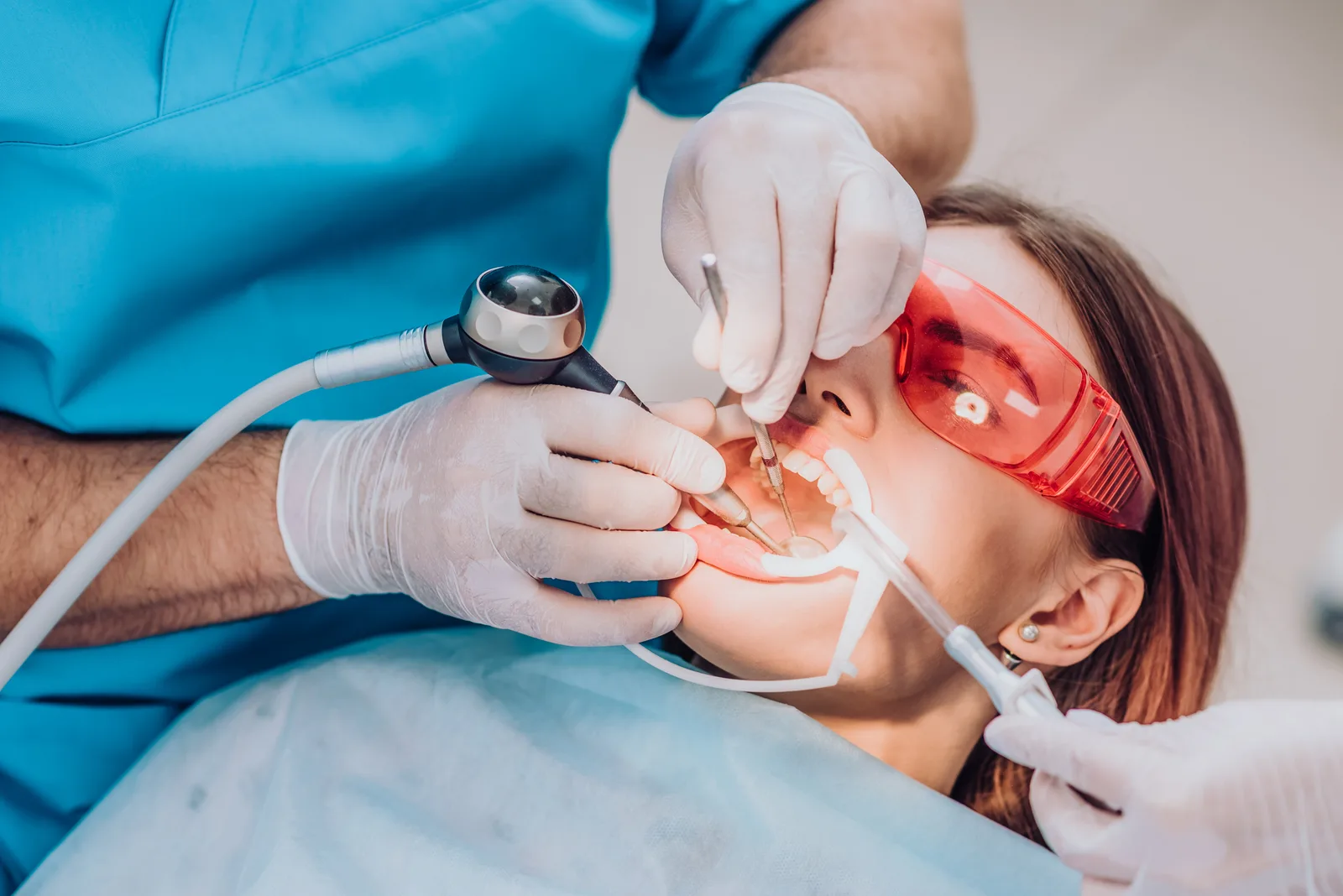
A dental filling is a restorative treatment used to repair a tooth that has been damaged by decay, wear, or trauma.
When a cavity forms or part of a tooth breaks down, a filling restores the tooth’s shape, strength, and function, allowing you to bite and chew normally and protecting the tooth from further damage.
Fillings are one of the most common dental treatments. With early detection and timely treatment, most cavities can be treated with a straightforward filling before more extensive dental work becomes necessary.
Signs You May Need a Dental Filling
You should consider booking an appointment if you notice any of the following:
- A persistent dull ache in a tooth
- Sensitivity to hot, cold, or sweet foods and drinks
- Pain when biting or chewing
- A visible hole, pit, or dark spot on a tooth
- A chipped, cracked, or broken tooth
- A filling that has cracked, fallen out, or feels loose
- Food is consistently trapped in the same tooth
Not all cavities cause obvious symptoms, particularly in the early stages. This is why regular dental check-ups are important as your dentist can identify decay on X-ray before it becomes a bigger problem.
What Causes Tooth Decay?
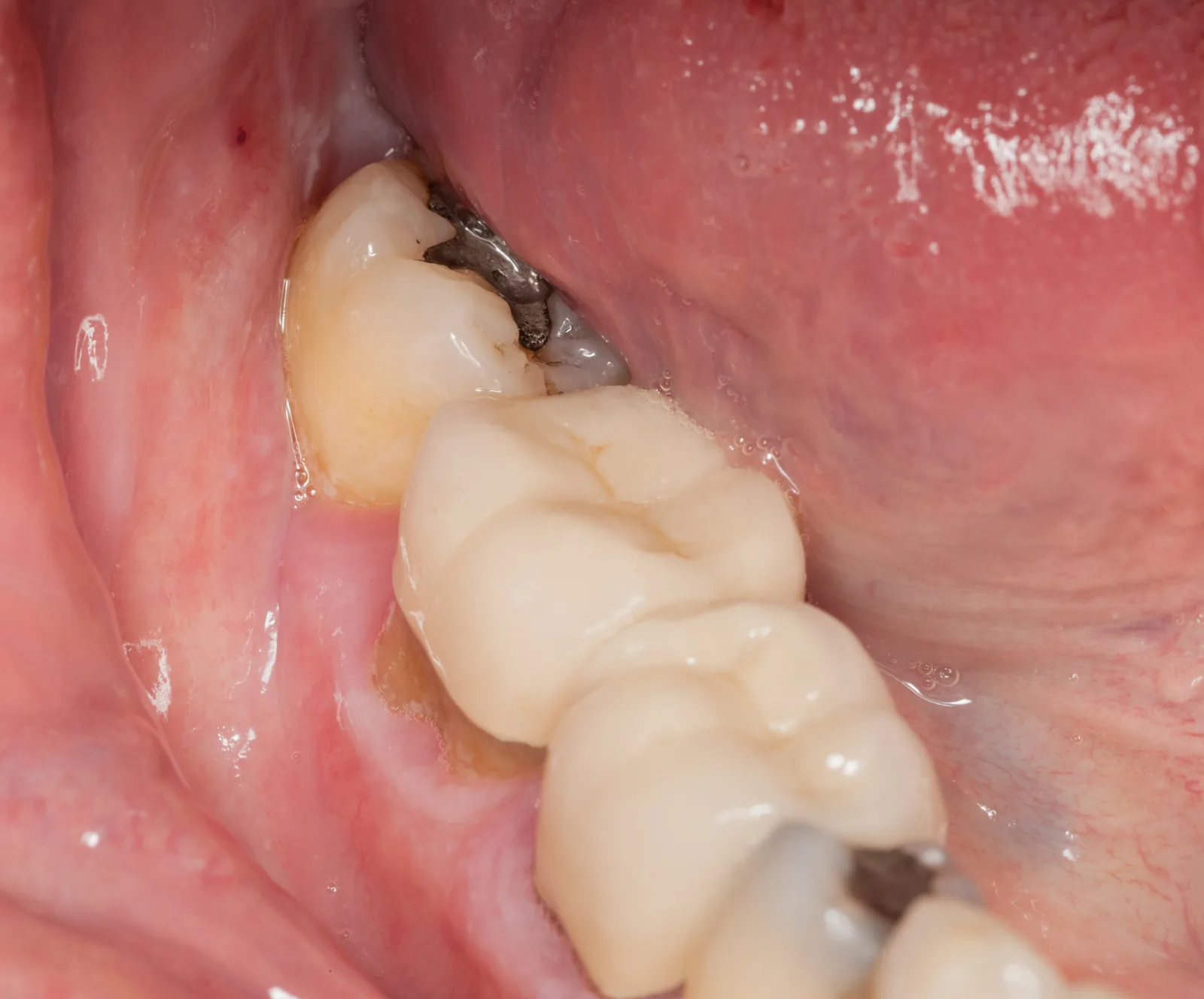
Tooth decay occurs when bacteria in the mouth feed on sugars from food and drinks, producing acid as a by-product. Over time, this acid breaks down the hard outer layer of the tooth, known as the enamel, and gradually forms a cavity.
Contributing factors include:
- A diet high in sugary or acidic foods and drinks
- Infrequent or ineffective tooth brushing and flossing
- Dry mouth, which reduces saliva’s natural protective effect
- Deep grooves or pits in the back teeth that are harder to clean
- Worn or old fillings that allow bacteria to enter
If left untreated, tooth decay can spread deeper into the tooth, reaching the inner pulp and nerve, which may lead to infection and the need for more complex treatment such as a root canal or extraction
Types of Dental Fillings
At My Dentist Geelong (Highton), we offer several filling options. Your dentist will recommend the most suitable filling material based on the size and location of the cavity, your oral health, and the severity of the damage.
Composite Fillings
Made from a tooth-coloured resin matched to your natural shade, composite fillings bond directly to the tooth structure and are a popular choice for visible teeth where appearance matters.
Ceramic / Porcelain Fillings
Ceramic fillings, or porcelain fillings are strong, stain-resistant, and closely resemble the natural colour and translucency of tooth enamel, making them a good option for patients who want a long-lasting, natural-looking result.
Glass Ionomer Fillings
A tooth-coloured material that bonds to the tooth and releases fluoride over time, glass ionomer is commonly used for children, near the gum line, or in areas that do not bear heavy chewing load. It is typically used as a temporary solution and may need to be replaced with a more durable filling material over time.
What Happens During a Dental Filling Appointment?
Examination and X-rays
- Your dentist will examine the affected tooth and may take X-rays to assess the extent of the decay and determine the most appropriate treatment.
- To ensure the right filling type and technique are used for your situation.
Removing the Decay
- Local anaesthetic is applied to numb the tooth and the surrounding area so you remain comfortable throughout the procedure.
- Your dentist will then use a drill or other instruments to remove the decayed portion of the tooth, leaving behind a healthy tooth structure.
Placing the Filling
- Once the cavity has been cleaned and prepared, the filling material is placed in layers and shaped to restore the tooth’s natural contour.
- Composite and ceramic fillings are hardened using a special curing light.
- Your dentist will then check and adjust the bite to ensure the filling feels natural when you close your mouth.
The appointment is typically straightforward and completed in a single visit for most standard fillings.
After Your Filling
Some sensitivity to temperature or pressure in the treated tooth is normal for a few days after a filling. This usually settles on its own as the tooth adjusts.
General aftercare guidance includes:
- Avoid very hot, cold, or hard foods for the first 24 hours if advised
- Brush and floss gently around the filling as you would your other teeth
- Contact our clinic if sensitivity worsens, the filling feels uneven, or part of it chips or falls out
All fillings will eventually need to be replaced over time due to general wear and chewing. Regular dental check-ups allow your dentist to monitor existing fillings and address any issues before they become more serious.

Dental Fillings for Families in Highton
My Dentist Geelong (Highton) provides dental fillings for patients of all ages, including children. Treating cavities early, particularly in children, helps protect developing teeth and builds positive dental habits from a young age.
If you or your child has a toothache, visible decay, or a filling that needs replacing, our team can assess your situation and recommend the most suitable course of action.
Health Funds for Dental Fillings
If you have private health insurance with dental extras, you may be able to claim part of the cost of your dental filling, depending on your level of cover and annual limits. The amount covered can vary between health funds and individual policies, so it is best to check before your appointment.
At My Dentist Geelong (Highton), our team can help you understand the payment options available at the clinic. Please bring your private health insurance card to your appointment so we can assist with your claim where applicable.
Eligible children may also be able to access dental benefits through the Child Dental Benefits Schedule, which helps cover part or all of the cost of some basic dental services for eligible children in Australia.