
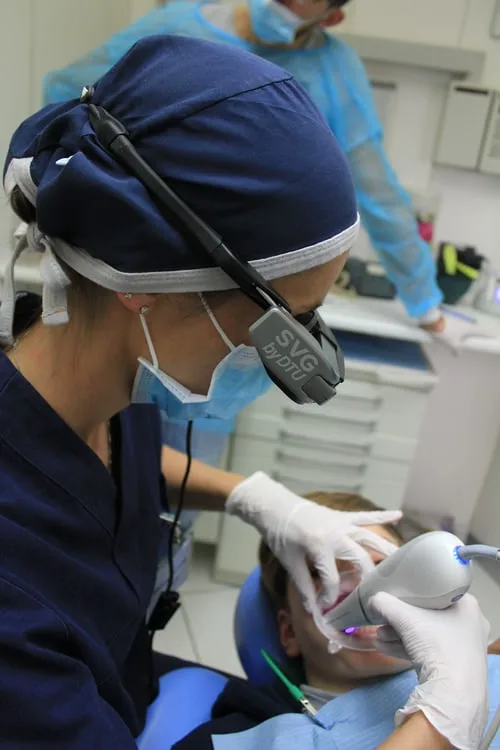
Routine Dental Check-ups
A dental check-up is an important part of preventive dental care. During your appointment, your dentist will examine your teeth, gums, bite, and general oral health to look for signs of dental problems.
This may include checking for tooth decay, gum inflammation, worn teeth, cracks, loose teeth, jaw concerns, or changes in your bite. If needed, your dentist may also recommend dental X-rays to check areas that cannot be seen clearly during a visual examination.
Regular dental check-ups can help detect dental problems before they become more serious. Tooth decay, gum disease, and dental infections may develop gradually, and early signs are not always easy to notice at home. A check-up can also give you a clearer understanding of your oral health and help you make informed decisions about your dental care.
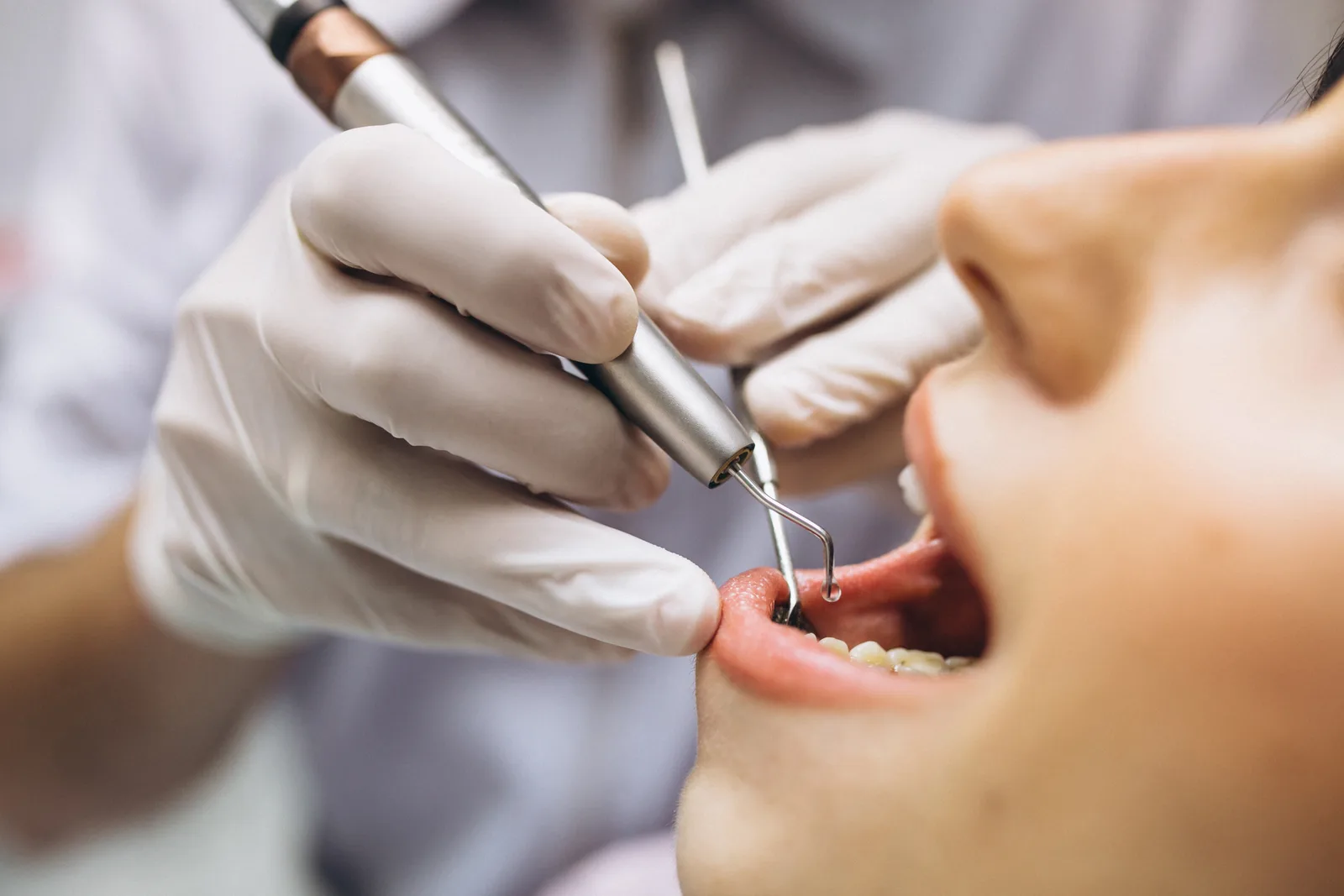
What Happens During a Dental Check-up?
During a dental check-up at My Dentist Geelong (Highton), your appointment may include:
- Examination of your teeth and gums
- Checking for signs of tooth decay or cavities
- Gum health assessment
- Bite and jaw assessment
- Checking for worn, cracked, loose, or damaged teeth
- Assessment of existing fillings, crowns, bridges, or other dental work
- Dental X-rays (if required)
- Oral hygiene and preventive care advice
- Discussion of any treatment options if an issue is found
Your dentist may also ask about symptoms such as tooth sensitivity, pain when chewing, bleeding gums, bad breath, or changes in your bite. This helps us understand your concerns and provide advice based on your oral health condition.

Signs You Should Book a Dental Check-up
You should consider booking a dental check-up if you notice any of the following:
- Tooth pain or sensitivity
- Pain when chewing or biting
- Bleeding gums
- Swollen or tender gums
- Bad breath that does not improve
- A chipped, cracked, or worn tooth
- Loose or shifting teeth
- Jaw pain or bite changes
- Concerns with existing fillings, crowns, or dental work
- It has been more than six months since your last dental visit
Even if your symptoms come and go, it is still worth having them checked. Intermittent tooth pain or gum discomfort may be a sign of an underlying dental issue.
How Often Should You Have a Dental Check-up?
Many patients are advised to visit the dentist every six months for a routine dental check-up. However, the right frequency can vary depending on your oral health, gum condition, history of tooth decay, lifestyle, age, and individual risk factors.
Some patients may need more regular visits, especially if they have gum disease, frequent cavities, existing dental work, ongoing tooth pain, or other oral health concerns. During your appointment, your dentist can recommend a check-up schedule that suits your needs.
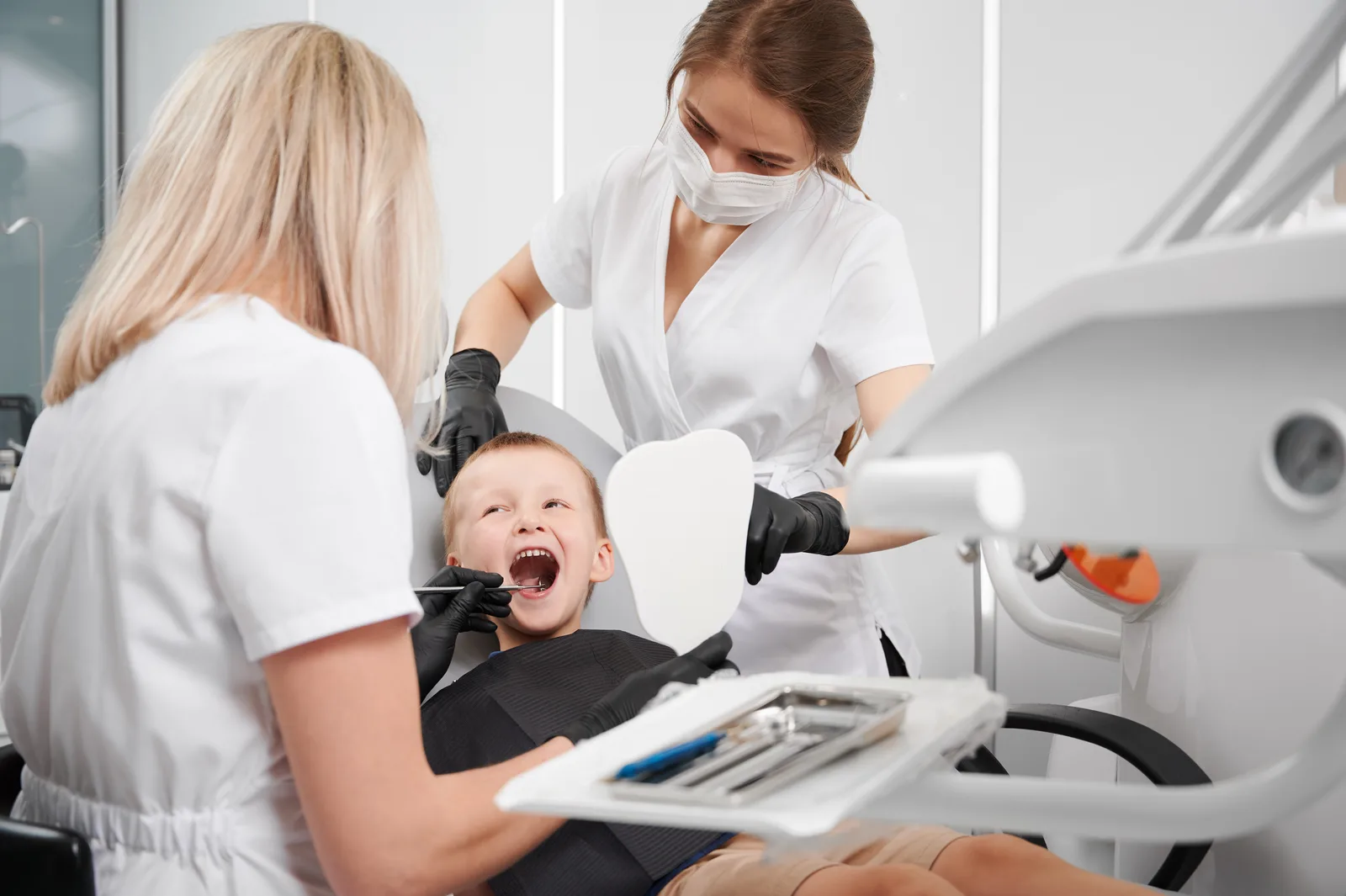
Dental Check-ups for Families
My Dentist Geelong (Highton) provides dental check-ups for children, adults, and families. Regular visits can help children become familiar with the dentist and build good oral hygiene habits from a young age.
For adults, routine check-ups can help monitor gum health, tooth wear, bite changes, and existing dental restorations. For older patients, dental check-ups can also help assess changes related to ageing, oral health conditions, and previous dental work.
Our team aims to provide gentle and practical dental care for patients at every stage of life.
Health Funds and Dental Check-ups
If you have private health insurance with dental extras, you may be able to claim part of the cost of your dental check-up, depending on your level of cover and annual limits. The amount covered can vary between health funds and individual policies, so it is best to check before your appointment.
At My Dentist Geelong (Highton), our team can help you understand the payment options available at the clinic. Please bring your private health insurance card to your appointment so we can assist with your claim where applicable.
Eligible children may also be able to access dental benefits through the Child Dental Benefits Schedule, which helps cover part or all of the cost of some basic dental services for eligible children in Australia.