
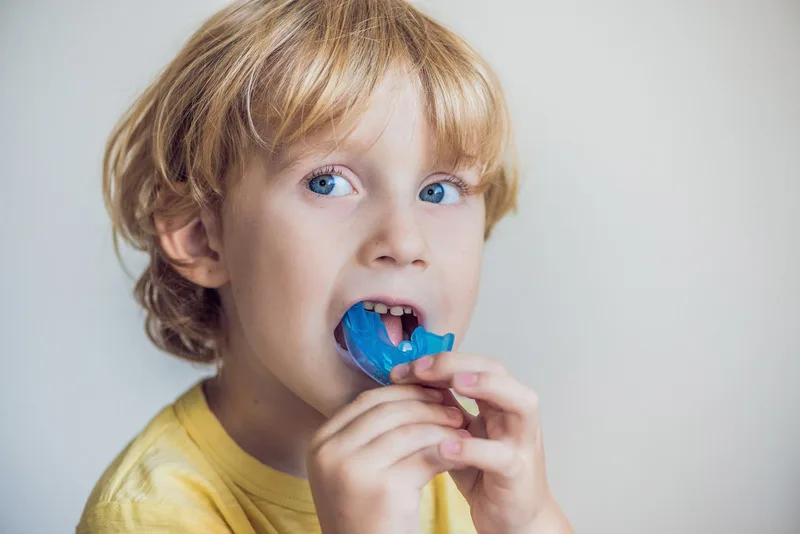
Every weekend across Geelong, parents pack the car with boots, uniforms, drink bottles and snacks, ready for another round of children’s sports. Amid the pre-match checklist, one small piece of gear is often overlooked or left behind altogether: the mouthguard.
For children playing footy, netball, hockey or other contact sports, a properly fitted sports mouthguard is one of the most important pieces of protective gear they can wear.
Sports-related injuries are a common cause of dental trauma in children and teenagers. A knock to the face can lead to chipped, cracked or knocked-out teeth, cut lips and gums, or even jaw injuries.
According to the Australian Dental Association, thousands of dental injuries are treated each year that could have been avoided with a protective, custom-fitted mouthguard. A custom-fitted mouthguard helps absorb and spread the force of impact, protecting your child’s teeth, gums and jaw during both training and game day.
Whether your child is midway through the winter season or preparing for summer sport later in the year, checking that their mouthguard still fits properly can help prevent an injury that may otherwise require months of ongoing dental treatment.
Why Children Are More Vulnerable to Dental Injuries During Sport
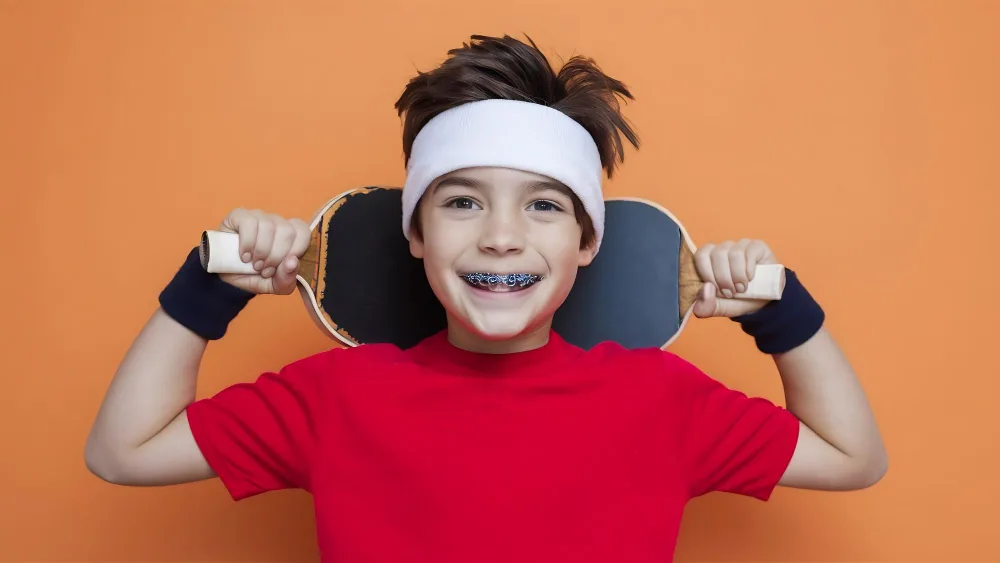
Children and teenagers are considered a higher-risk group for sport-related dental injuries. This is partly because their coordination, reaction speed and awareness of contact are still developing, which can make it harder for them to anticipate or avoid sudden impacts during play.
It is not only traditionally rough sports that carry this risk. While football codes, hockey and martial arts are often associated with a higher chance of injury, dental trauma can also happen in cricket, basketball, netball or even during training sessions, or even in non-contact sports where a fall or accidental collision is possible.
Research involving children aged 6 to 16 who participated in organised sport found that chipped or fractured teeth, soft-tissue injuries and knocked-out teeth were among the reported outcomes of sport-related accidents. The study also found that many young athletes and their families had limited awareness of what to do when a dental injury occurred.
The stakes can also be different for children compared with adults. Many dental injuries in young athletes affect permanent teeth rather than baby teeth, which means the consequences can be long-lasting. When a permanent tooth is damaged at a young age, it can lead to years of ongoing dental treatment, including root canal therapy, crowns, or, in more serious cases, tooth replacement later in life.
A mouthguard may be a small piece of equipment, but it plays an important role in protecting your child’s smile for years to come.
What Can Happen Without a Mouthguard

Without a mouthguard, a knock to the face during sport can lead to a range of dental injuries, from minor chips to more serious trauma.
One of the most common injuries is a chipped or fractured tooth, where the impact cracks the tooth or breaks away part of its structure. Even a small chip should be checked by a dentist, as the damage may extend deeper than what is visible on the surface.
More significant impacts can knock a tooth out of place or dislodge it completely. A knocked-out tooth is considered a dental emergency, and how quickly it is managed can affect whether the tooth can be saved. In some cases, the force of an impact can also affect the jaw, causing pain, swelling or difficulty opening the mouth.
Even injuries that seem minor at first are worth having checked. A tooth that feels slightly loose, sensitive or different after a knock may need professional assessment.
If your child experiences a dental injury during sport, prompt dental care gives them the best chance of a simpler recovery and helps reduce the risk of long-term complications.
Custom-Fitted vs Store-Bought Mouthguards
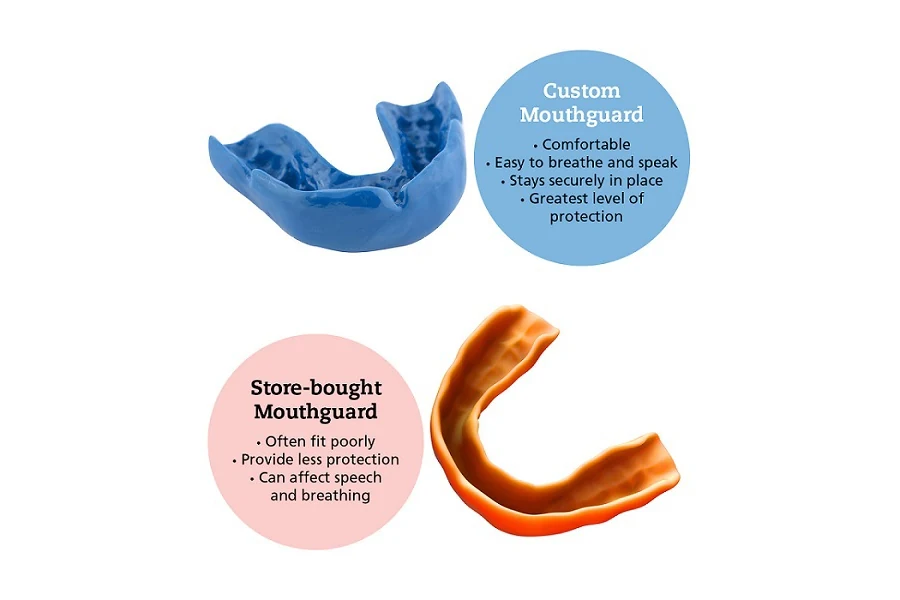
When it comes to protecting your child’s teeth during sport, not all mouthguards offer the same level of protection, comfort or fit. Broadly, there are two main options: a custom-fitted mouthguard made by a dentist, or a store-bought ‘boil-and-bite’ mouthguard from a chemist or sports store.
Here is how they compare:
| Factors | Custom-Fitted Mouthguard | Store-Bought Mouthguards |
|---|---|---|
| Fit | Precise, made from your child's teeth | Self-moulded, fit varies |
| Protection | Even thickness, consistent protection | Uneven thickness, less reliable |
| Comfort | Close fit, comfortable | Can feel bulky or loose |
| Breathing & talking | Easier to breathe and speak | Can restrict breathing |
| Staying in place | Stays secure during play | More likely to shift or fall out |
| Suitability for growing mouths | Fit checked and reassessed by a dentist | No professional check included |
| Where to get one | Fitted by a dentist | Pharmacies and sports stores |
A 2024 study comparing custom-made and boil-and-bite mouthguards in basketball players found that custom-made mouthguards were rated significantly more comfortable, with less interference to breathing and speech, compared with boil-and-bite alternatives.
This supports the idea that a well-fitted mouthguard may not only be more comfortable to wear, but may also make it easier for your child to breathe and communicate clearly during play.
For growing children in particular, whose teeth and jaws change over time, a properly fitted mouthguard also makes it easier for your dentist to check that the fit is still appropriate as their mouth develops.
Caring for a Mouthguard Between Games
A well cared-for mouthguard lasts longer and stays more hygienic. A few simple habits can make a real difference.
Rinse it before and after use
Ideally with cool water. This clears away bacteria and food particles without damaging the material.
Store it in a ventilated case
Not a closed bag or pocket. Air flow helps it dry properly and reduces bacteria build-up between games.
Keep it away from heat
Hot cars, direct sun, and hot water can warp a mouthguard and change its fit.
Check the fit regularly
Especially for growing children. A mouthguard that fits well at the start of the season may need adjusting or replacing as your child's teeth and jaw develop.
Bring it to check-ups
Your dentist can assess the fit and condition of the mouthguard alongside your child's regular dental check-up.
If it has been a few months since your child was fitted, mid-season is a good time to check that nothing has changed.
Getting Your Child Fitted at My Dentist Geelong (Highton)
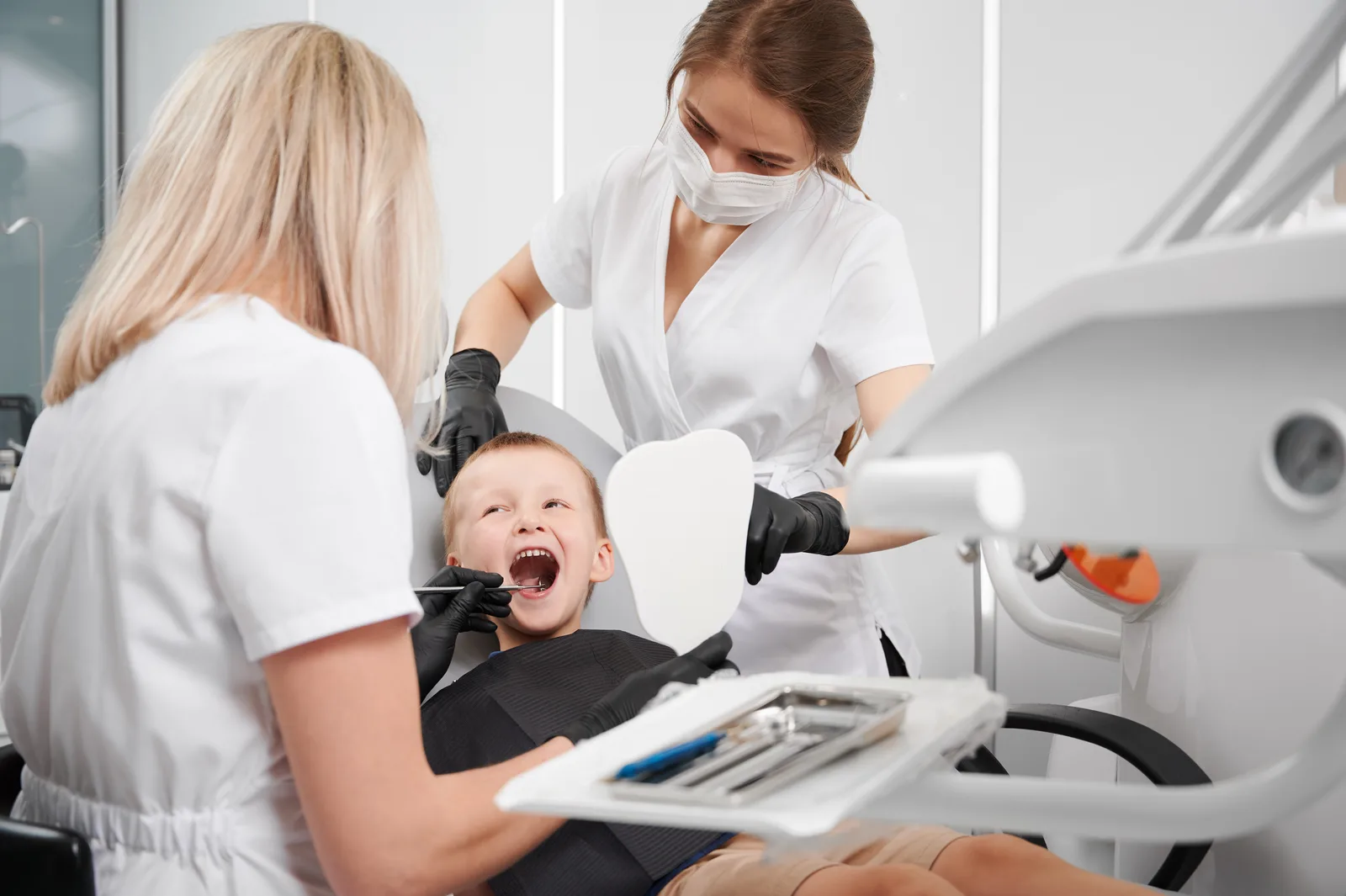
At My Dentist Highton, custom-fitted mouthguards are available as part of our children's dentistry services.
The team will take a mould or scan of your child’s teeth to create a mouthguard that fits properly, feels comfortable, and offers reliable protection through the season. It’s also a good opportunity to have a check-up at the same time, so any other concerns can be picked up early.
If your child’s mouthguard is due for a fit check, or they have not been fitted for one yet, get in touch with our team to book an appointment.
The clinic is conveniently located within Barrabool Hills Plaza in Highton, Geelong, with ample free parking available. Flexible payment options, including DentiCare and government dental benefits, are also available to support your care.