
Root Canal Treatment in Highton, Geelong
A root canal treatment can save a tooth that would otherwise need to be removed due to infection or damage.
At My Dentist Geelong (Highton), our team provides root canal treatment for patients across Highton, Geelong and surrounding areas, helping to relieve pain, treat infection, and preserve your natural tooth wherever possible.
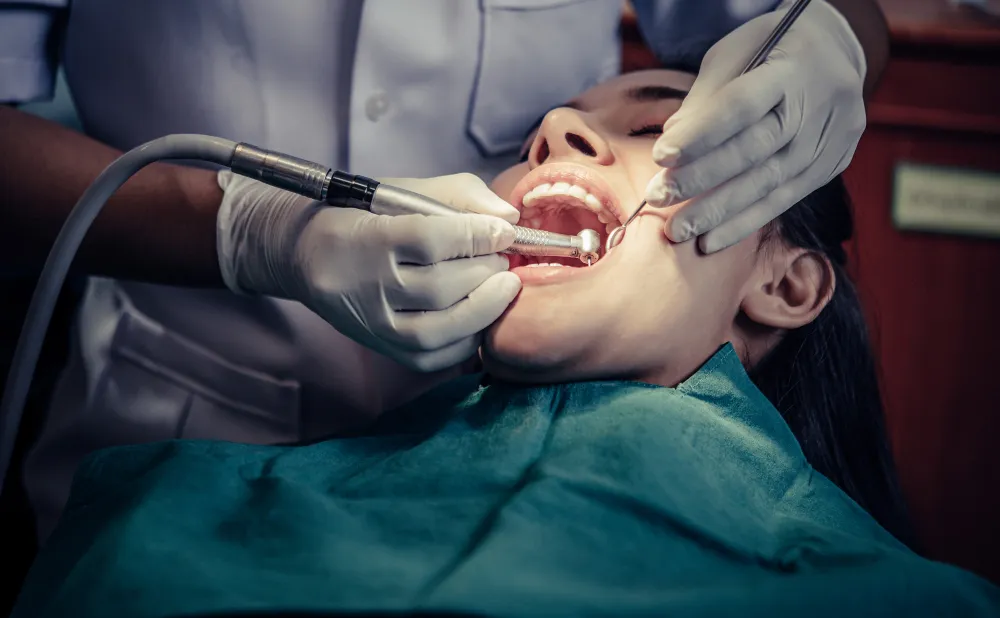
What Is a Root Canal Treatment?
Root canal treatment, also known as an endodontic treatment, is a dental procedure that removes infected or damaged pulp from inside a tooth.
Each tooth contains small internal spaces called root canals, which run from the crown down into the root and can number up to four per tooth. These canals hold the pulp, a soft tissue made up of nerves and blood vessels.
When the pulp becomes infected or inflamed, it needs to be cleaned out, shaped, and filled to stop the infection and save the tooth. If left untreated, an infected tooth may lead to worsening pain, abscess, or eventual tooth loss.
Root canal treatment is a routine part of general dentistry, and all general dentists are trained to carry out the procedure. More complex or unusual cases are sometimes referred to an endodontist, a dentist who specialises in this area of treatment.
Signs You May Need a Root Canal Treatment
Pulp damage does not always cause obvious symptoms, and in some cases, it is only picked up on an X-ray during a routine check-up. Where symptoms are present, they may include:
- Ongoing or throbbing tooth pain
- Sensitivity to hot or cold that lingers after the stimulus is removed
- Pain when biting or chewing
- Swelling or tenderness in the gum near the affected tooth
- A pimple-like bump on the gum
- Tooth discolouration
- A cracked or chipped tooth
If you notice any of these signs, it is best to have the tooth assessed promptly. Delaying treatment can allow the infection to spread and make the problem more complex to manage.
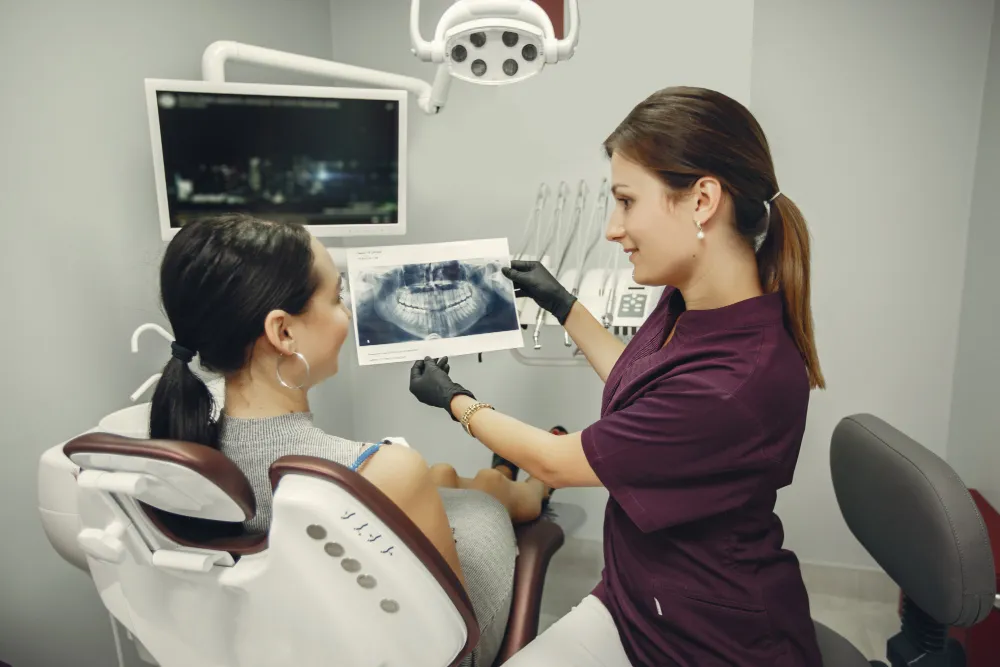
What Happens During Root Canal Treatment?
Your dentist will begin by reviewing your symptoms, examining the tooth, and taking an X-ray. This helps show the number, size, and shape of the root canals, and how complex the treatment is likely to be.
Root canal treatment generally involves:
- Removing infected tissue: Old fillings, decay, and infected pulp are cleared from inside the tooth
- Cleaning and shaping the canals: The canals are shaped into smooth, hollow channels using fine instruments and disinfecting solutions
- Filling and sealing: Once clean, the canals are filled with a biocompatible material to seal out bacteria
- Restoring the tooth: The tooth is built back up with a filling or, more commonly, a dental crown to protect it and restore normal function
Root canal treatment usually requires a few appointments to complete, depending on the complexity of the case. Mild discomfort after treatment is common and typically settles quickly.
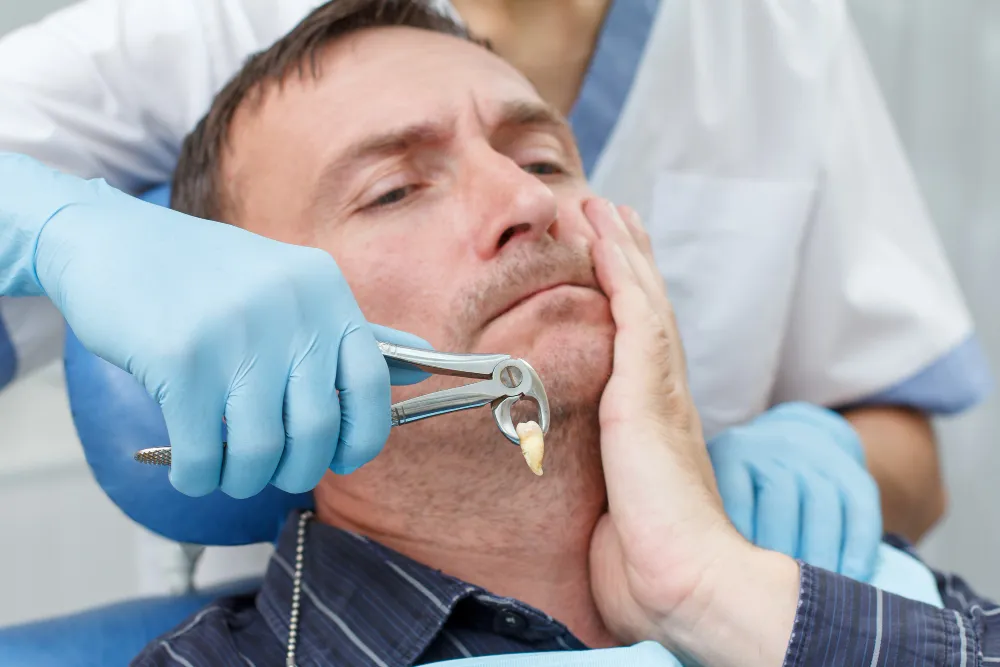
Root Canal Treatment vs Tooth Extraction
When a tooth is infected or badly damaged, there are usually two options: root canal treatment to save the tooth, or extraction to remove it.
Where possible, most dentists recommend trying to save the natural tooth first. Keeping your own tooth helps maintain your natural bite, avoids shifting of neighbouring teeth, and can be more straightforward than replacing a missing tooth later with a bridge or dental implant.
Success rates for root canal treatment are generally high, with around 90 to 95 percent of patients able to keep a functional tooth afterwards.
That said, extraction may be the more suitable option in some cases, such as when a tooth is too badly damaged to restore. Your dentist can talk you through the risks and benefits of each option based on your specific tooth and circumstances.

Caring for Your Tooth After Root Canal Treatment
Once the root canal is complete, the tooth still needs a filling or crown to protect it long term. Delaying this final restoration increases the risk of the tooth breaking or needing to be removed, so it is important to attend any follow-up appointments your dentist recommends.
In the days after treatment, you may be advised to avoid chewing on the treated tooth until the permanent restoration is placed, and to maintain your regular brushing and flossing routine. Ongoing dental check-ups help monitor the tooth and catch any issues early.
Sedation Options for Root Canal Treatment
Root canal treatment can involve longer appointment times, and some patients feel anxious about the procedure. For patients who find dental visits stressful, sedation dentistry may help you feel calmer and more comfortable throughout treatment.
My Dentist Geelong (Highton) offers in-clinic sedation with visiting sedation dentist Dr Barry Creighton, allowing suitable patients to complete more complex or lengthy root canal procedures without the stress of a hospital visit.
Health Funds for Root Canal Treatments
If you have private health insurance with dental extras, you may be able to claim part of the cost of your root canal appointment, depending on your level of cover and annual limits. The amount covered can vary between health funds and individual policies, so it is best to check before your appointment.
At My Dentist Geelong (Highton), our team can help you understand the payment options available at the clinic. Please bring your private health insurance card to your appointment so we can assist with your claim where applicable.
Frequently Asked Questions
What is root canal treatment?
Root canal treatment is a dental procedure that removes infected or damaged pulp from inside a tooth. The dentist cleans, shapes, and fills the root canals to stop the infection and help save the natural tooth.
How do I know if I need a root canal?
Common signs include ongoing tooth pain, sensitivity to hot or cold that lingers, pain when biting, gum swelling, or a discoloured tooth. In some cases, pulp damage is only picked up on an X-ray with no obvious symptoms.
Is root canal treatment painful?
Root canal treatment is carried out under local anaesthetic, so the area is numbed during the procedure. Some mild discomfort is common afterwards, but this usually settles quickly.
How many appointments does root canal treatment take?
Root canal treatment usually requires more than one visit, depending on the complexity of the tooth and the extent of the infection or damage.
What happens after root canal treatment?
The tooth is generally restored with a filling or a dental crown to protect it and restore normal function. Delaying this final restoration can increase the risk of the tooth breaking or needing to be removed.
What is the success rate of a root canal treatment?
Success rates for root canal treatment are generally high, with around 90 to 95 percent of patients able to keep a functional tooth after treatment.
Is it better to have a root canal or an extraction?
Where possible, saving the natural tooth through root canal treatment is usually preferred, as it helps maintain your natural bite and avoids the need for tooth replacement. However, extraction may be more suitable in some cases, and your dentist can advise on the best option for your tooth.
Can I have sedation for root canal treatment?
Yes. My Dentist Geelong (Highton) offers in-clinic sedation dentistry with visiting sedation dentist Dr Barry Creighton for patients who feel anxious about longer or more complex procedures.
What payment options are available at My Dentist Geelong (Highton)?
My Dentist Geelong (Highton) offers a variety of payment options, including DentiCare payment plans, private health insurance rebates through HICAPS, the Child Dental Benefits Schedule (CDBS), and Department of Veterans’ Affairs dental benefits. Availability may depend on your treatment type and eligibility, so please check with the clinic when booking your appointment.
Can I get a same-day appointment for a root canal treatment?
Yes, we provide same-day appointments for urgent concerns, subject to availability. If you require urgent emergency dental care, our team will assess your condition and provide care to help relieve pain and stabilise your oral health.
Ready to Smile with Confidence?
Conveniently located within Barrabool Hills Plaza in Highton, Geelong, My Dentist Geelong (Highton) welcomes patients from Highton, Belmont, Wandana Heights, Newtown, Waurn Ponds, Ceres, Fyansford and Manifold Heights, as well as the wider Geelong community.
With easy access just off the M1 Princes Highway / Great Ocean Road and ample free parking within the shopping centre, visiting our clinic is simple and stress-free. Whether you need preventive, cosmetic, restorative or emergency dental care, our team is here to help.