What Are Wisdom Teeth?
Wisdom teeth are the last permanent teeth to emerge, usually appearing between the ages of 17 and 25. Most people have four wisdom teeth, one in each corner of the mouth, though some people have fewer or none at all.
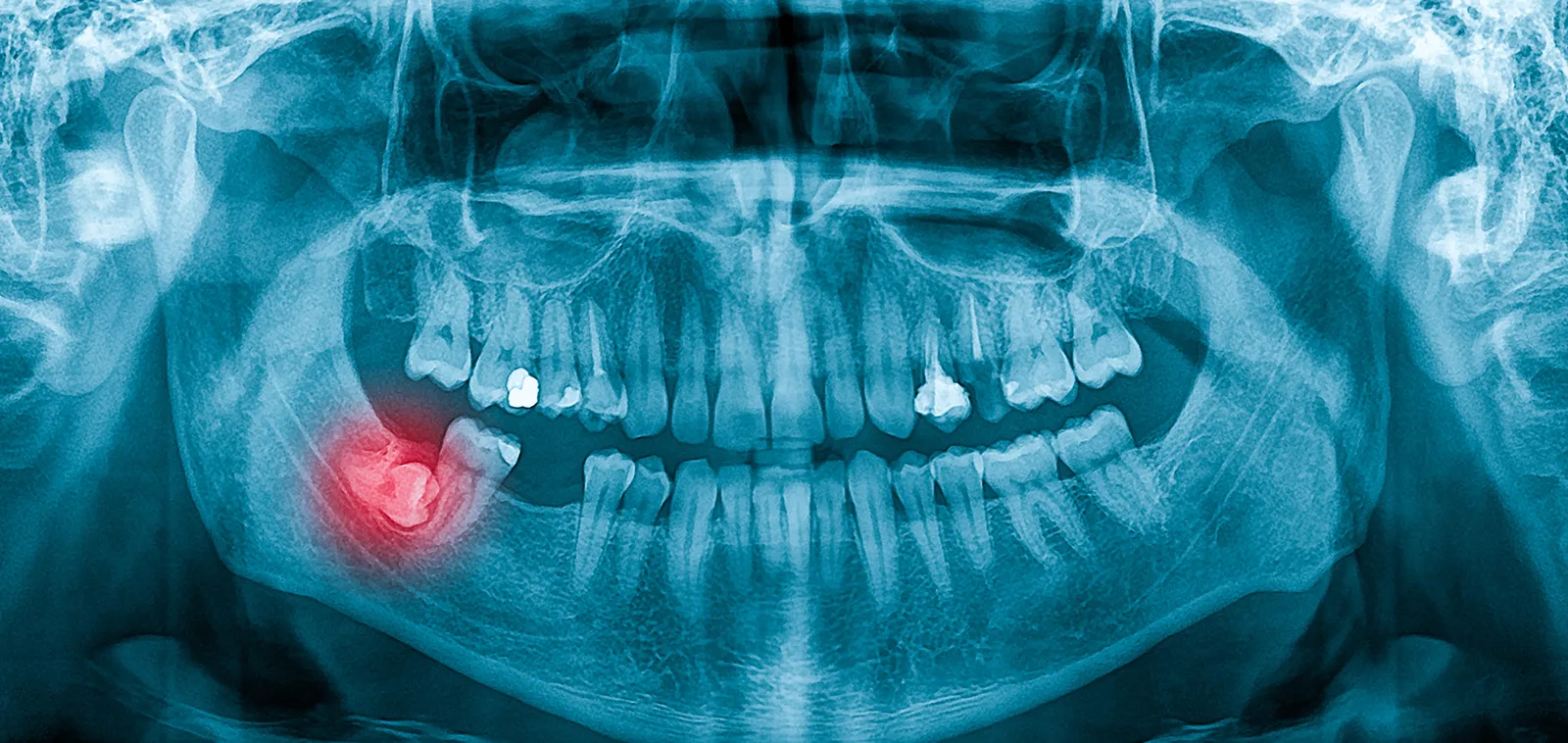
Because they arrive after the rest of the teeth are already in place, there is often not enough room for them to fully emerge. When this happens, it is described as impacted.
Not all wisdom teeth need to be removed. If yours are coming through correctly and are not causing problems, your dentist may recommend monitoring them. However, if a wisdom tooth is impacted, partially erupted, causing pain, or affecting your oral health, removal is usually the most appropriate course of action.
Signs You May Need Your Wisdom Teeth Removed
You should consider booking an appointment if you are experiencing any of the following:
- Pain or pressure at the back of your mouth
- Swollen, tender, or bleeding gums near the back teeth
- Jaw stiffness or difficulty opening your mouth fully
- A bad taste or smell near the back of your mouth
- Pain, sensitivity, or decay in the tooth next to the wisdom tooth
- Recurring infection or inflammation around a partially erupted tooth
- Crowding or shifting of surrounding teeth
- Wisdom teeth visible on X-ray that are positioned at an angle or blocked by bone
Even if your symptoms come and go, it is worth having them assessed. Intermittent wisdom tooth pain often signals an underlying issue that is likely to worsen over time.
What Causes Wisdom Tooth Pain?
Wisdom tooth pain usually occurs when the tooth is unable to emerge fully or correctly. Common causes include:
Impaction
When a wisdom tooth is blocked by the jawbone, another tooth, or the gum, it becomes trapped beneath the surface, putting pressure on the surrounding teeth and jaw.
Partial Eruption
A partially erupted wisdom tooth creates a flap of gum tissue that is difficult to clean, increasing the risk of gum infection, a condition known as pericoronitis.
Infection and Gum Disease
Wisdom teeth sit at the very back of the mouth, making them harder to clean and more susceptible to decay and gum disease that can spread to adjacent teeth if left untreated.
Crowding and Pressure
As wisdom teeth push through, they can place pressure on the teeth in front of them, causing crowding, shifting, or pain that radiates along the jaw.
Wisdom Tooth Removal at My Dentist Geelong (Highton)
- 1
Initial Consultation and X-rays
- A thorough examination of your teeth, gums, and jaw.
- Your dentist will ask about your symptoms and may recommend dental X-rays to assess the position, angle, and depth of the wisdom tooth.
- 2
The Removal Procedure
- The procedure used depends on the position of the tooth and whether it is fully or partially erupted.
- For a simple extraction, where the wisdom tooth has fully emerged, the tooth is loosened and removed after local anaesthetic is administered.
- For a surgical extraction, where the tooth is impacted or partially covered by bone, a small incision in the gum may be required.
- In some cases, a small amount of bone may need to be removed, or the tooth may be divided into sections to allow for safe removal.
- The area is then cleaned and closed with dissolvable stitches where needed.
- Local anaesthetic is used throughout the procedure so you remain comfortable.
- Dental sedation is available in-house at My Dentist Geelong (Highton) for patients who feel anxious or are having multiple teeth removed.
- 3
After Your Procedure
- Our team will provide clear aftercare instructions to support your recovery.
- You may be asked to attend a follow-up appointment to review healing and remove any stitches if required.
Sedation Options for Wisdom Tooth Removal
If you feel anxious about your procedure or are having multiple wisdom teeth removed in one visit, dental sedation may help you stay calm and comfortable. Sedation works alongside local anaesthetic to reduce awareness of the procedure, and many patients remember very little of their appointment afterwards.
My Dentist Geelong (Highton) offers in-clinic sedation for suitable patients, with visiting sedation dentist Dr Barry Creighton attending the practice to provide this service. Your dentist can discuss whether sedation is a suitable option for your wisdom tooth removal during your consultation.

What to Expect After Wisdom Tooth Removal
General aftercare guidance includes:
- Avoid smoking, alcohol, and using a straw, as these can disrupt the healing process
- Keep the area clean by gently rinsing with warm salt water after the first 24 hours
- Take over-the-counter pain relief as directed if needed
- Bite gently on the gauze to help control initial bleeding
- Apply a cold pack to the outside of your cheek to reduce swelling
- Rest and avoid strenuous activity for the first 24 to 48 hours
- Avoid hard, crunchy, or sticky foods, and eat soft foods such as yoghurt, soup, mashed potato, and scrambled eggs
Some discomfort, swelling, and mild bleeding in the first 24 to 48 hours after removal is normal. Recovery time can vary depending on the complexity of the extraction.
If you experience severe pain, heavy or ongoing bleeding, swelling that worsens after the third day, fever, or a bad taste that does not improve, contact our clinic as soon as possible, as these may be signs of complications such as dry socket or infection.
When Should You See a Dentist for Wisdom Tooth Pain?
If you have wisdom tooth pain, it is generally better to have it assessed sooner rather than later. Early treatment can help prevent infection from spreading, reduce the risk of damage to adjacent teeth, and make the extraction itself more straightforward.
You should contact our clinic promptly if you experience:
- Swelling around the jaw, cheek, or neck
- Difficulty swallowing or opening your mouth
- A fever alongside tooth or jaw pain
- Severe or worsening pain that is not relieved by over-the-counter medication
- Signs of infection such as pus, a bad taste, or persistent bad breath
These symptoms may indicate a dental infection that requires prompt attention.
Health Funds and Payment Options
My Dentist Geelong (Highton) offers a range of payment options to support your dental care, including DentiCare payment plans, private health insurance rebates through HICAPS, and Department of Veterans’ Affairs dental benefits.
Eligibility may vary depending on your treatment type and health fund level of cover. Our team can help clarify your options when you book your appointment.
If you have private health insurance with extras cover, you may be able to claim part of the cost of your wisdom tooth removal, depending on your policy and annual limits. Please bring your health insurance card to your appointment so we can assist with your claim.