
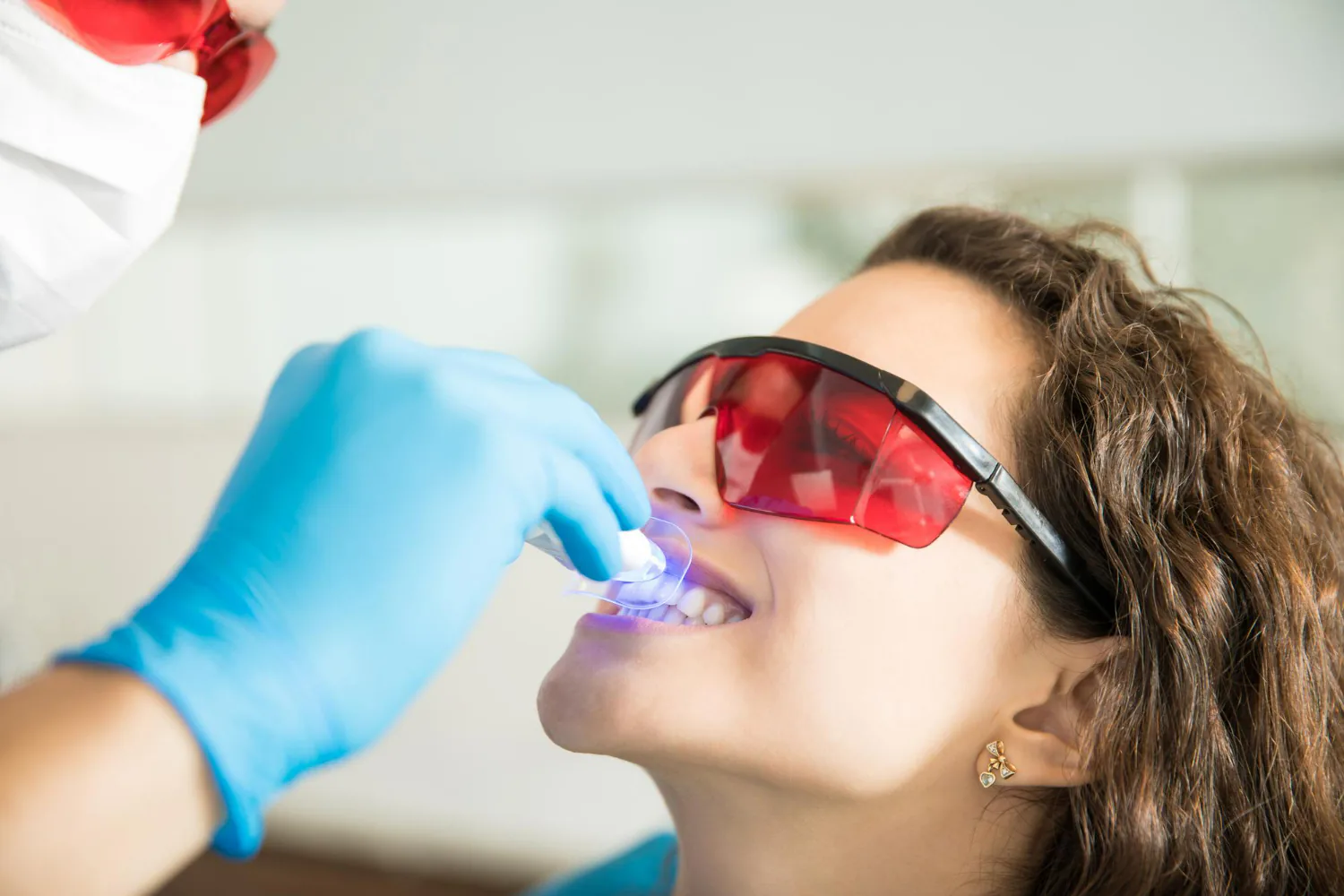
The short answer is yes, teeth whitening can work, but the type of whitening treatment you choose can make a significant difference to the result.
Peroxide-based whitening, which is used in both professional and many over-the-counter products, works by breaking down stain molecules within the tooth structure.
Research reviewing in-office, at-home, and combined bleaching methods has found that these treatments commonly use hydrogen peroxide or carbamide peroxide. These whitening agents release reactive oxygen molecules that penetrate the enamel and break down the pigments responsible for discolouration.
In other words, teeth whitening is not simply a cosmetic trick or a way to polish away surface stains. There is a genuine chemical process behind it, and the effectiveness of peroxide-based whitening has been studied extensively.
That said, not every whitening product delivers the same results, and not every type of stain responds equally well to whitening. Professional treatments generally use carefully controlled concentrations of whitening agents under dental supervision, which is one reason dentist-supervised whitening can offer more predictable results than many DIY alternatives.
This article walks through what the research and evidence actually says, so you can make a more informed decision.
Why Do Teeth Discolour in the First Place?
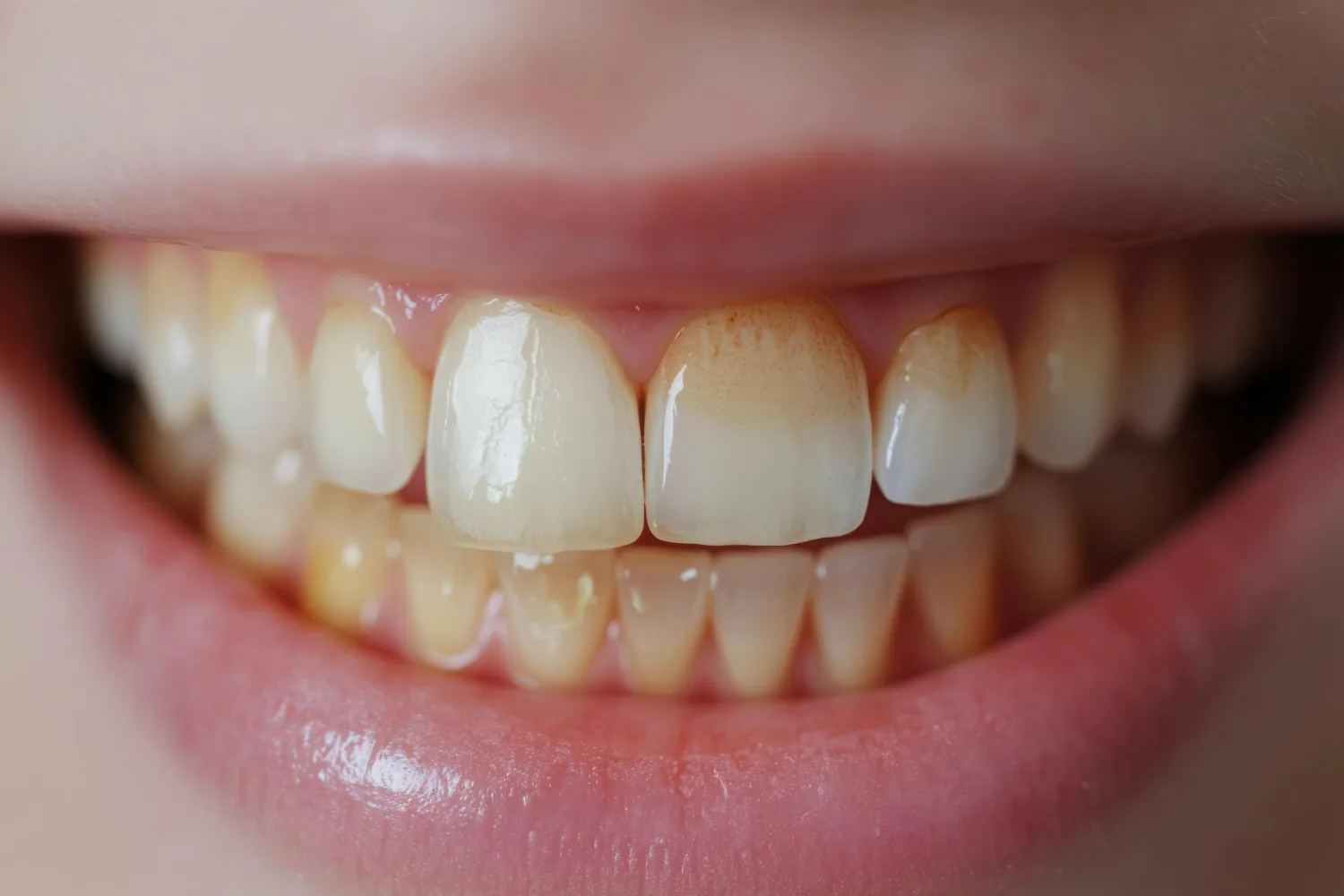
Tooth discolouration generally falls into two main categories, and understanding the difference matters because not every type of stain responds to whitening in the same way.
Extrinsic stains develop on the outer surface of the tooth and are commonly caused by everyday habits such as drinking coffee, tea or red wine, as well as smoking.
Research shows that dietary pigments and other external substances can build up on the tooth surface, contributing to this type of staining. Extrinsic stains are generally more responsive to professional cleaning and whitening treatments.
Intrinsic discolouration, on the other hand, develops within the tooth structure itself. It can be associated with ageing, certain medications, developmental factors, or trauma to the tooth. Because the discolouration sits deeper within the tooth, the response to whitening can vary depending on the cause and severity.
Poor oral hygiene can also make teeth look darker or more yellow due to plaque, calculus and surface staining. Whitening will not remove these deposits, so they may need to be addressed first through a professional dental hygiene appointment before whitening is considered.
Types of Teeth Whitening
Professional Whitening
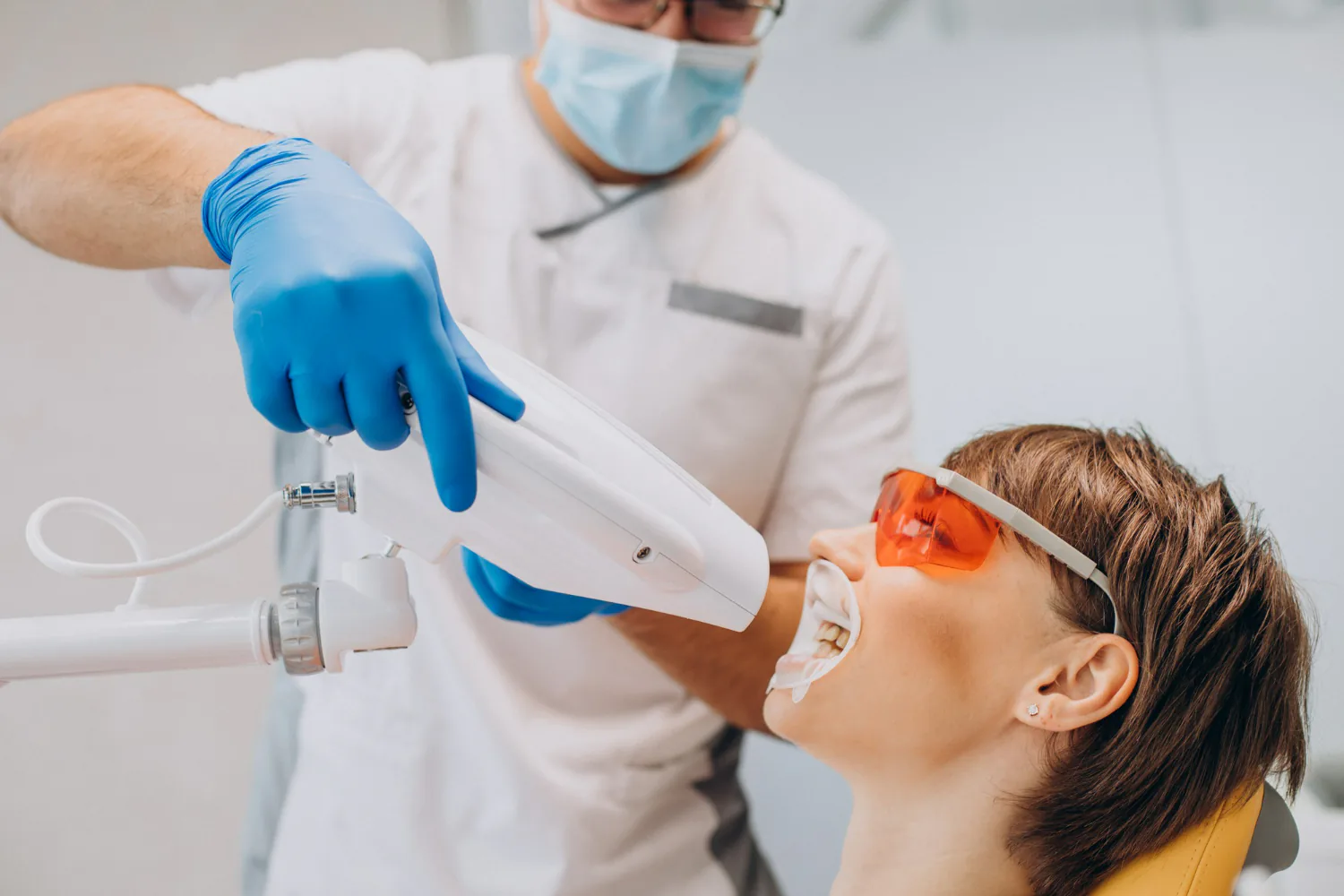
Professional teeth whitening can be carried out in the dental chair or through a dentist-supplied take-home kit. These treatments use carefully controlled peroxide-based whitening agents and are prescribed or applied under professional supervision, allowing the treatment to be matched to the condition of your teeth and gums.
Research comparing different bleaching approaches has found that in-office whitening can achieve noticeable results in a shorter treatment time, followed by professionally prescribed home bleaching.
Over-the-Counter Whitening
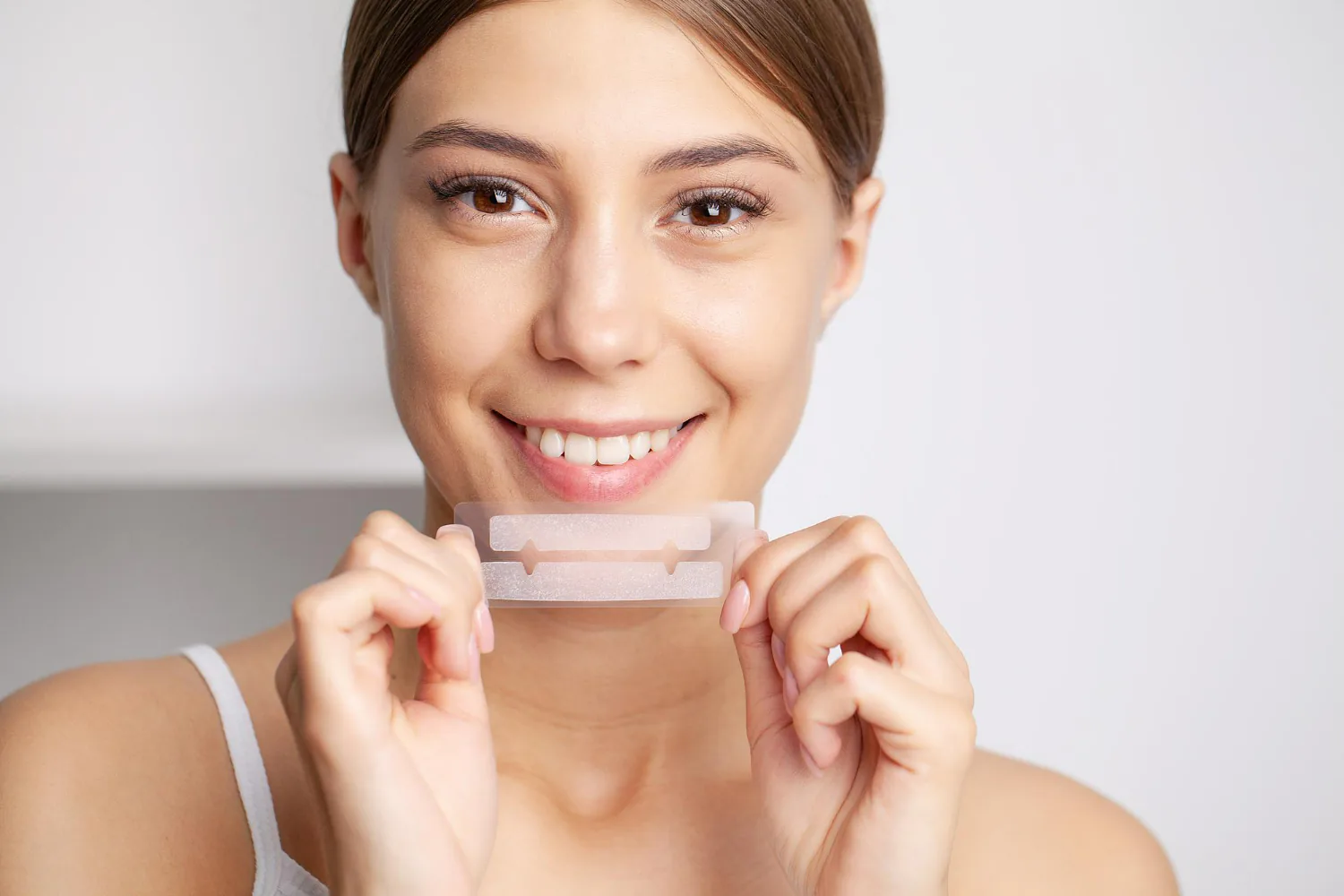
Over-the-counter products such as whitening strips, generic trays, and whitening pens use much lower peroxide concentrations, which makes them safer to use without supervision but also considerably less effective.
A study of at-home bleaching techniques notes that over-the-counter products come with the advantage of fewer reported side effects and lower cost, although the whitening effect may be more limited or take longer to become noticeable compared with professionally supervised treatment.
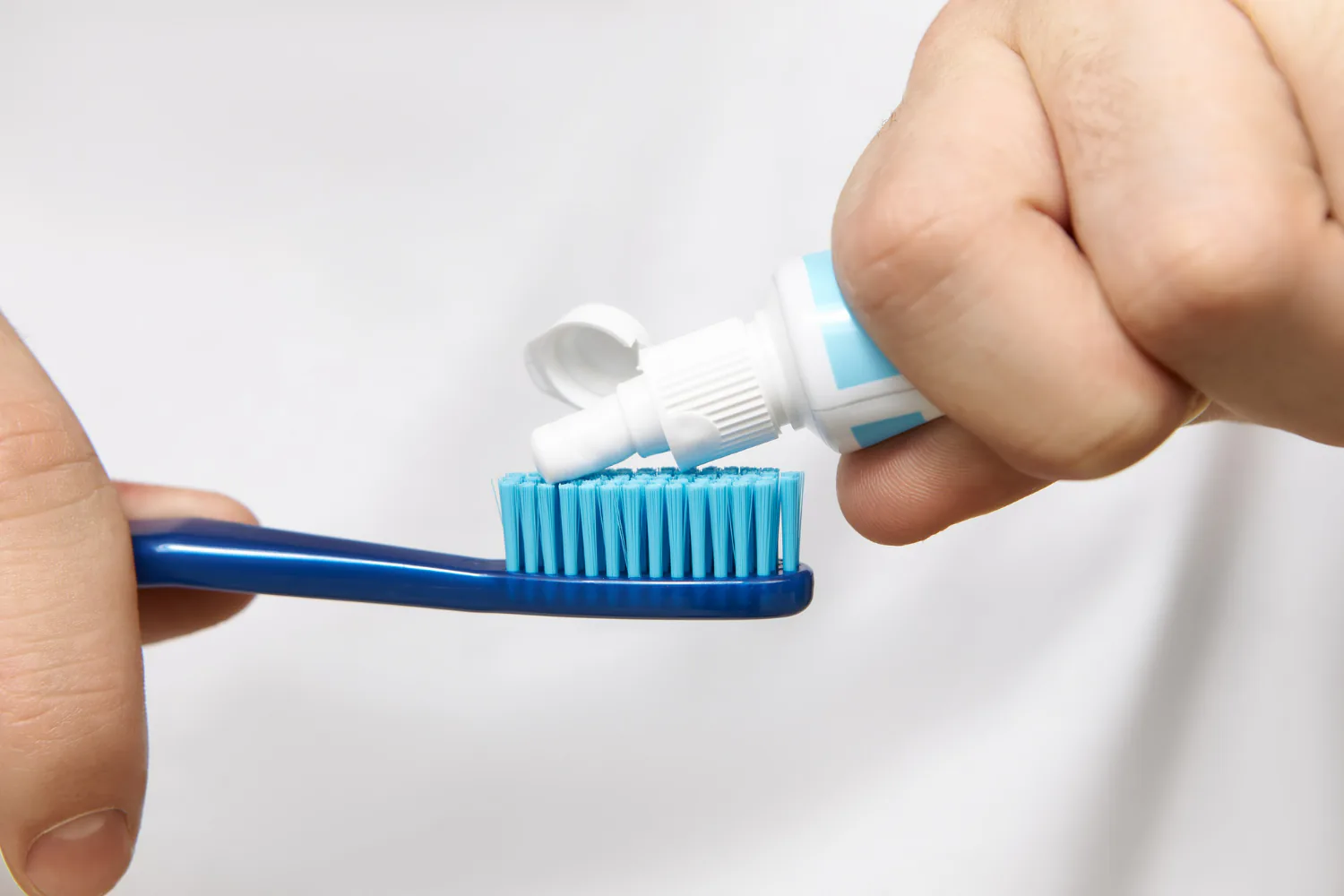
Whitening Toothpastes
Whitening toothpastes work differently from peroxide-based treatments. Rather than bleaching the tooth, they typically rely on mild abrasives to lift surface stains, which means they can help maintain results after whitening but will not lighten the natural shade of the tooth on their own.
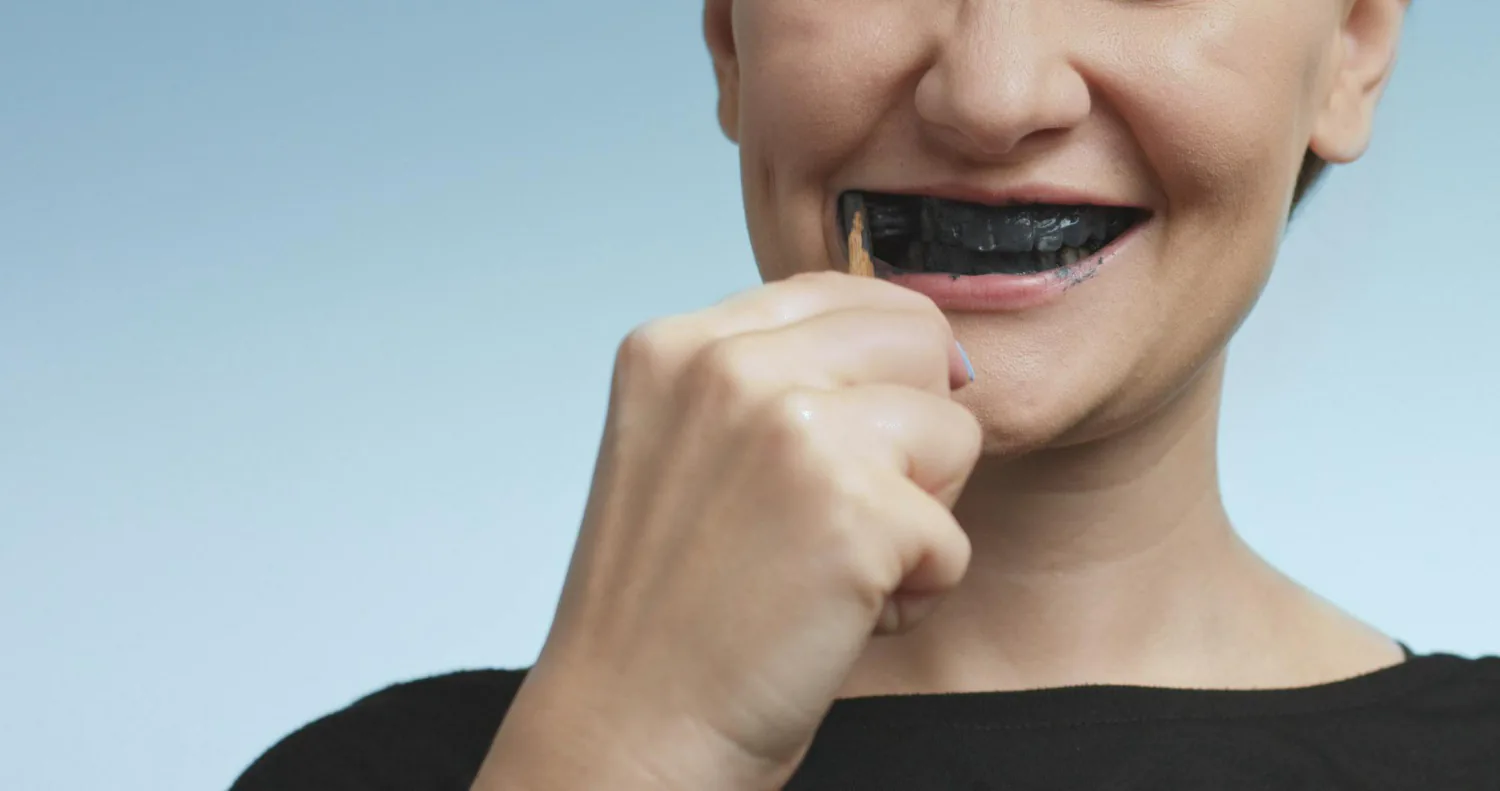
"Natural" Whitening Methods
Home remedies such as charcoal, baking soda and oil pulling are commonly promoted online as natural ways to whiten teeth, but the evidence supporting their effectiveness is limited.
Some abrasive methods may also contribute to enamel wear if used too frequently or incorrectly. If you are considering one of these approaches, it is worth speaking with your dentist first, particularly if you have sensitive teeth, enamel wear, gum recession or existing dental restorations.
How Long Does Teeth Whitening Actually Last?
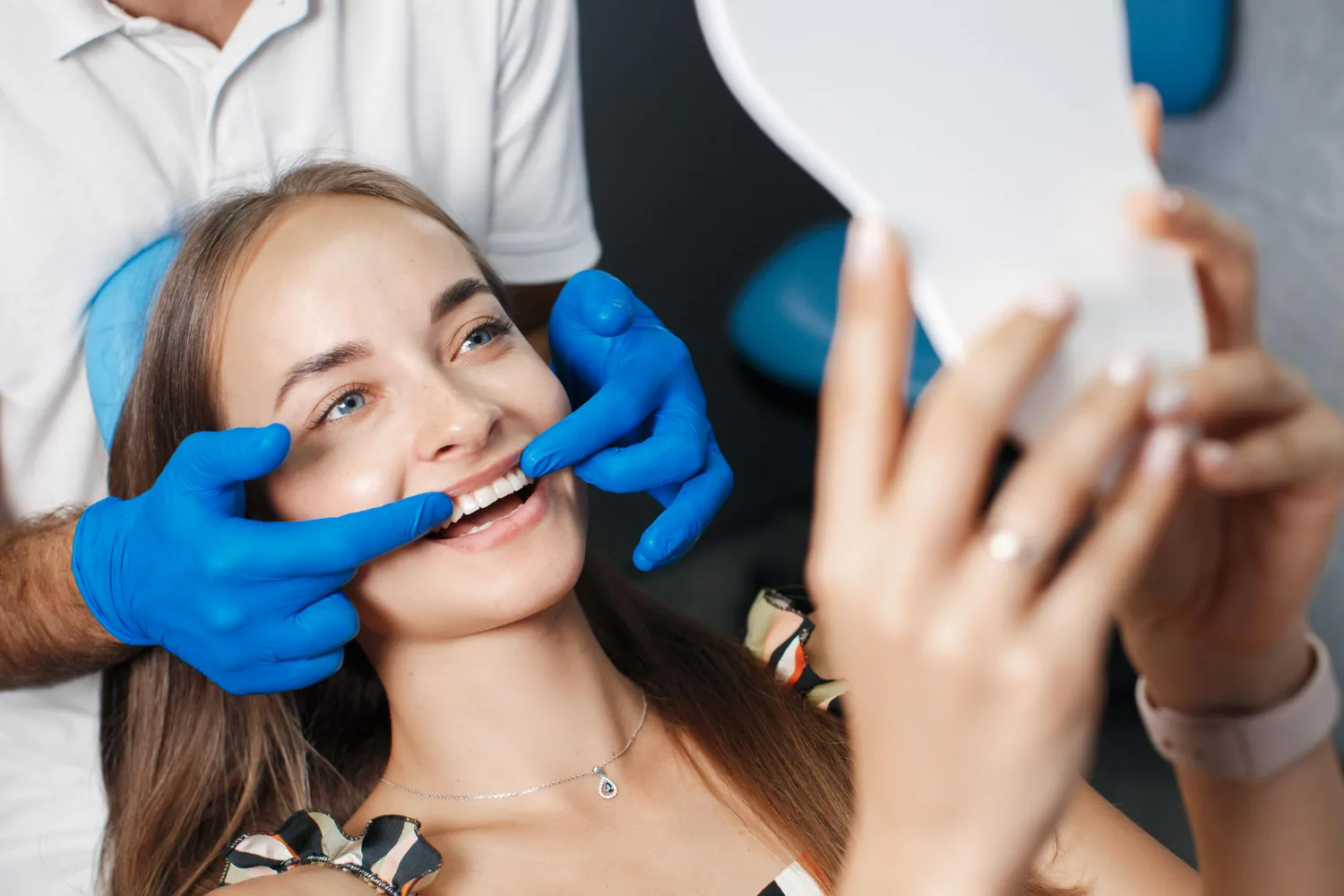
There is no single answer, because how long teeth whitening lasts depends heavily on your individual habits, diet and oral hygiene rather than the treatment alone.
A 2026 research following patients after in-office bleaching has found that tooth colour can remain relatively stable for months after treatment, although some gradual colour relapse is expected over time. In other words, whitening results usually fade gradually rather than disappearing suddenly, and they are not permanent.
How quickly that happens depends largely on what your teeth are exposed to each day. Frequent coffee, tea, red wine and smoking can contribute to new staining, while good oral hygiene and regular professional cleans can help maintain the result for longer.
If your teeth begin to darken again, your dentist may recommend a suitable touch-up treatment depending on your teeth, gums and previous whitening treatment. This may involve an in-chair treatment or a dentist-supplied take-home whitening option.
Attending regular dental check-ups also gives your dentist an opportunity to monitor your oral health and advise you on how best to maintain your whitening results.
Who Is Not a Good Candidate for Teeth Whitening?

Teeth whitening is not suitable for everyone, and knowing this beforehand can help avoid unrealistic expectations.
Existing dental restorations such as crowns, veneers and fillings will not change colour with whitening treatments because bleaching agents only lighten natural tooth structure. If you have visible restorations at the front of your mouth, whitening the surrounding natural teeth may create a noticeable colour mismatch. Your dentist can assess this before treatment and explain what result is realistically achievable.
Some types of intrinsic discolouration can also be more difficult to whiten. For example, tetracycline-related staining may respond less predictably and can require a longer or more intensive whitening approach. In cases where whitening is unlikely to achieve the desired result, cosmetic options such as veneers may be considered instead.
As a precaution, teeth whitening is also generally avoided during pregnancy and breastfeeding because there is limited safety data on elective bleaching during these periods.
Whitening should also be postponed if you have untreated tooth decay, active gum disease, exposed or damaged tooth surfaces, or significant tooth sensitivity. These issues should be assessed and managed first.
A dental check-up before whitening is the best way to confirm whether treatment is suitable for you and whether whitening or another cosmetic approach is more likely to give you the result you are looking for.
Common Side Effects
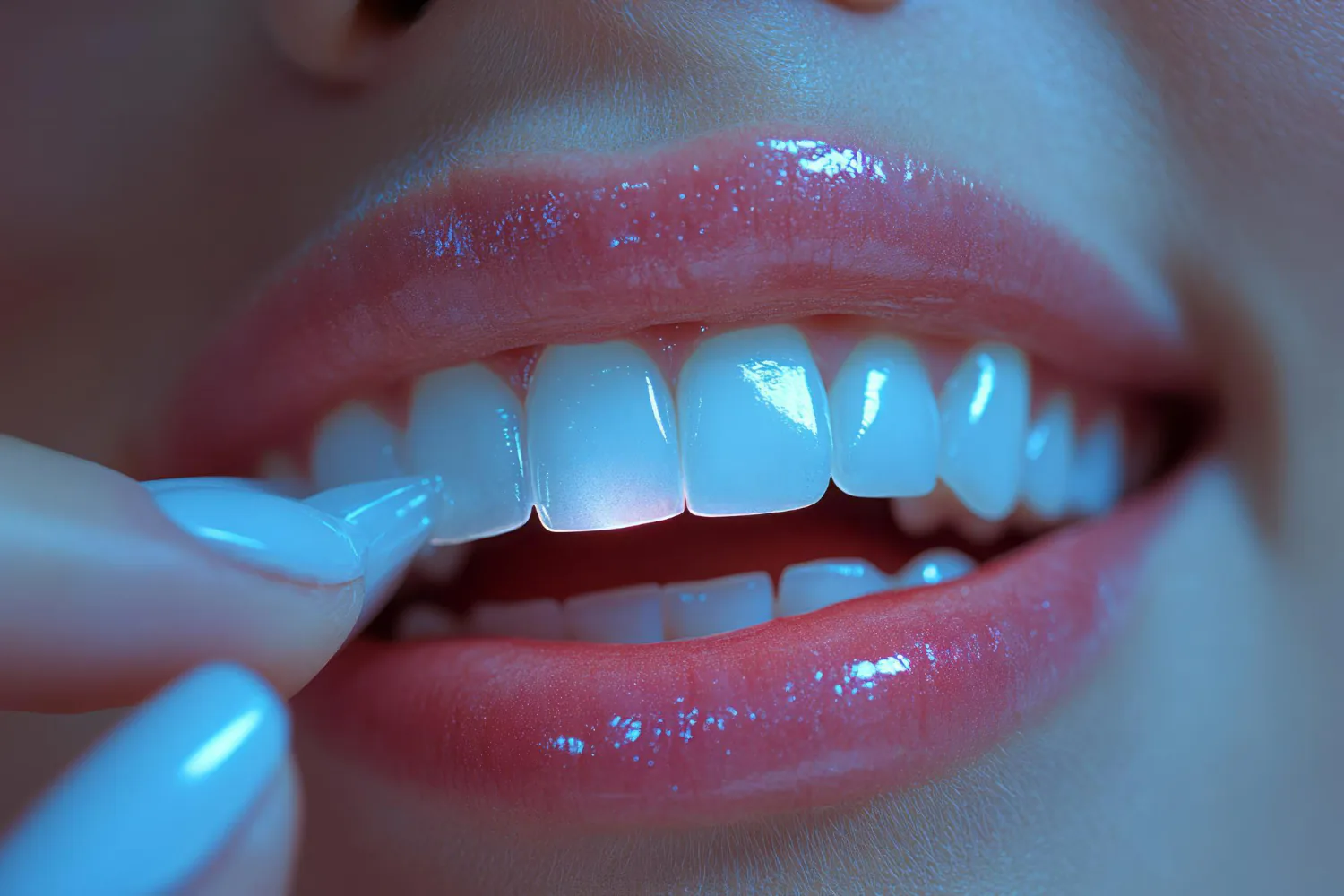
The two most commonly reported side effects of teeth whitening are temporary tooth sensitivity and mild gum irritation. A systematic review suggests these effects are usually short-lived, regardless of which whitening method is used.
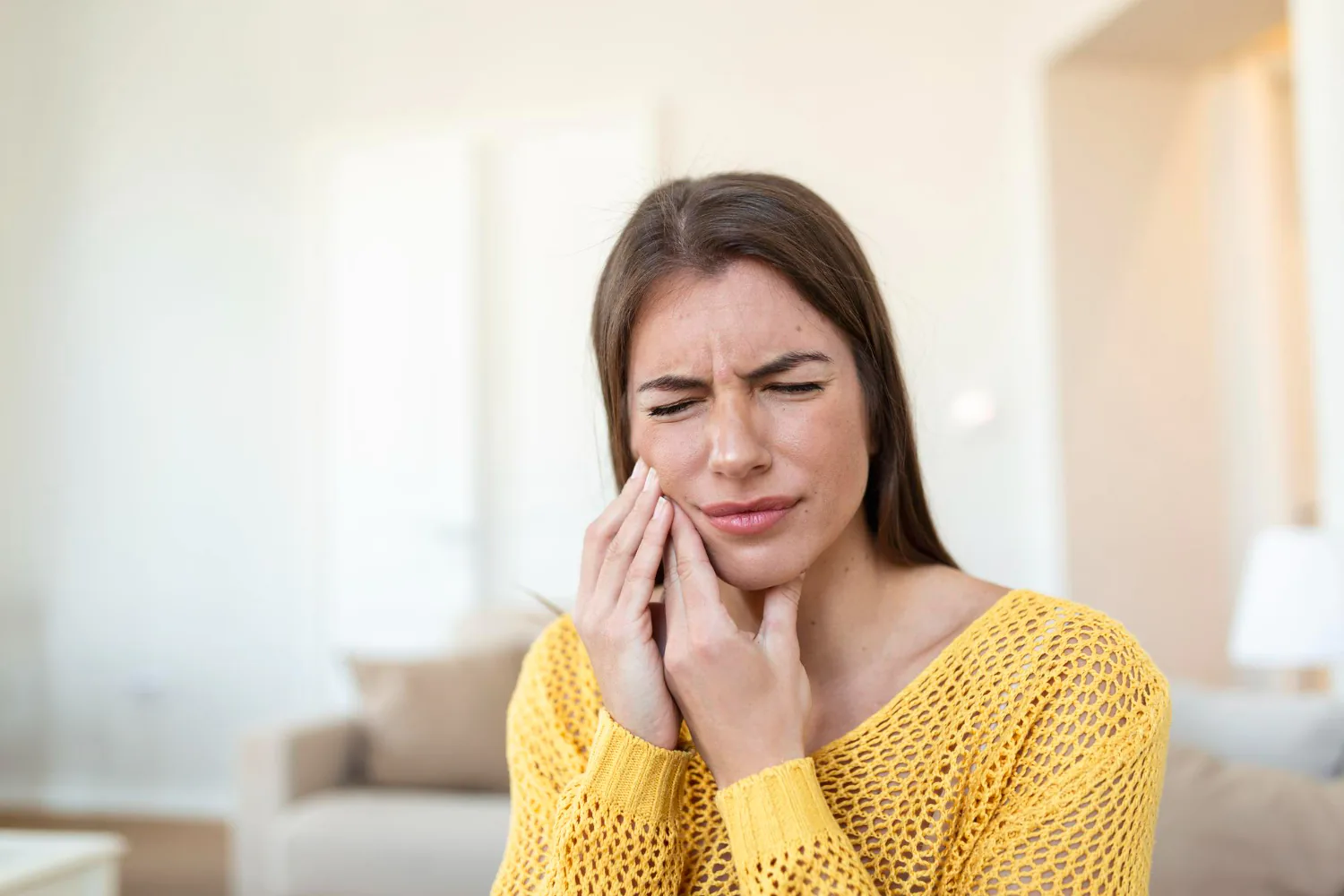
Tooth Sensitivity
It occurs because peroxide temporarily penetrates the tooth structure and increases sensitivity within the tooth.
Gum Irritation
It may happen if whitening gel comes into contact with the soft tissues around the teeth.
How to Manage Side Effects
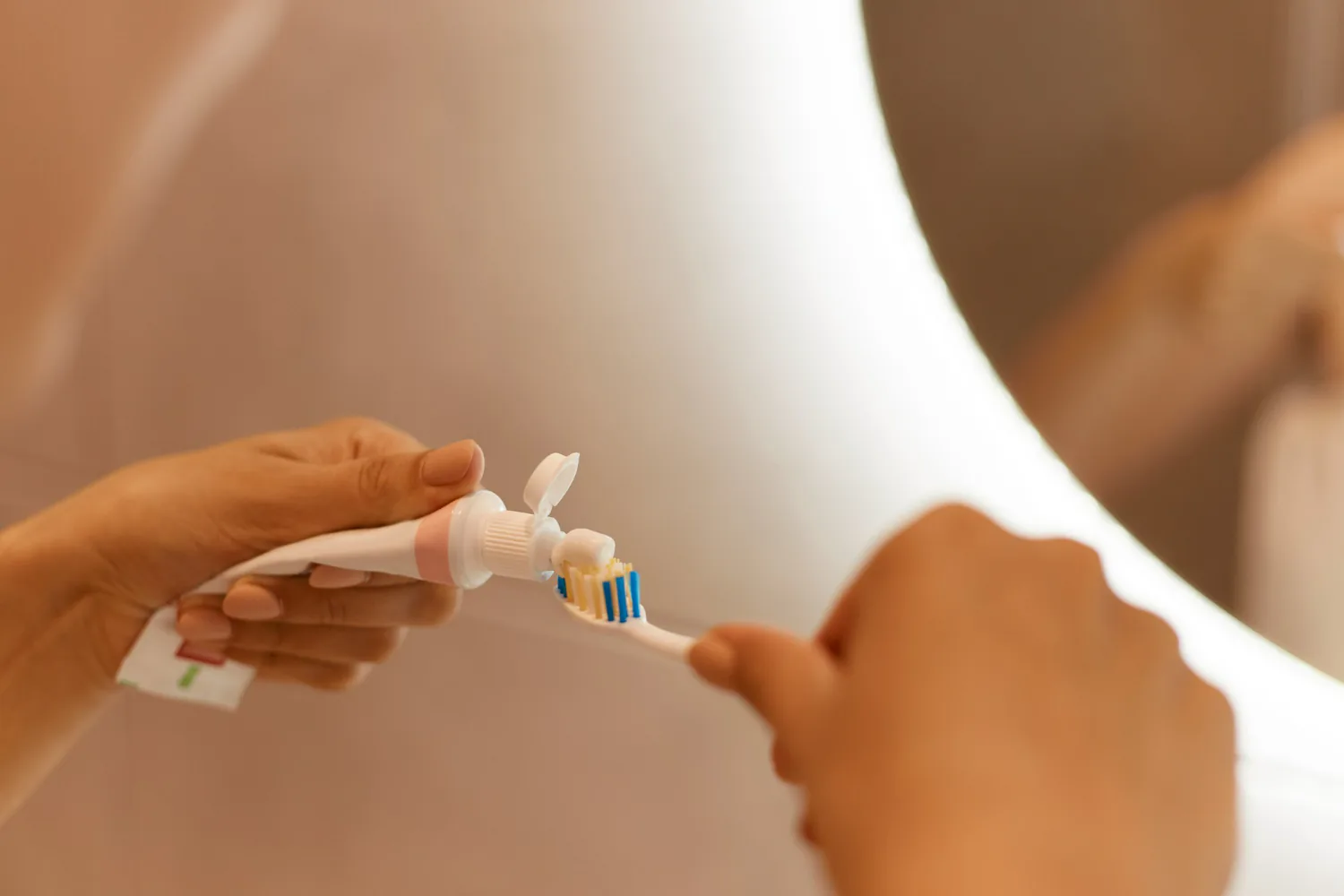
In most cases, these effects settle after treatment is reduced or stopped. Using a desensitising toothpaste, spacing out whitening sessions, or taking a short break from treatment may help reduce discomfort.
Dentist-supplied custom trays can also help limit unnecessary contact between whitening gel and the gums because they are designed to fit more closely around your teeth than generic trays.
If sensitivity or irritation is severe, does not improve after stopping treatment, or continues for more than a few days, it is best to speak with your dentist before continuing with whitening.
Teeth Whitening at My Dentist Geelong (Highton)
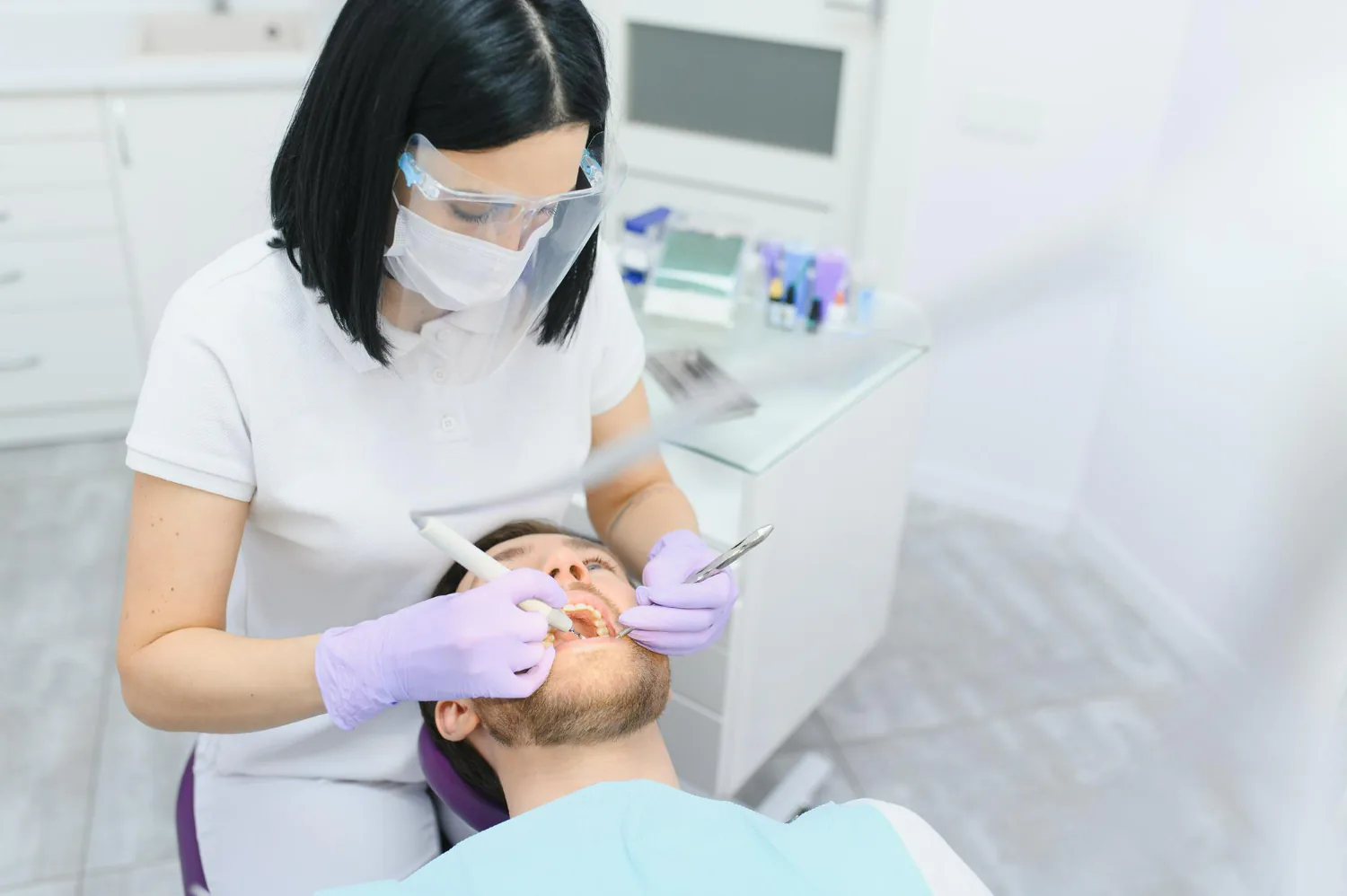
At My Dentist Geelong (Highton), teeth whitening is available as in-chair whitening, completed during a dental appointment under professional supervision, or as a custom take-home whitening kit that you can use at home following your dentist’s instructions.
Both options are professionally supervised, which means we can assess your teeth and gums beforehand, recommend a whitening approach suited to your needs, and monitor your progress rather than leaving you to work it out on your own.
The clinic is conveniently located within Barrabool Hills Plaza in Highton, Geelong, with ample free parking available. We also offer flexible payment options, including DentiCare and government dental benefits to support your care.