

As winter approaches in Australia, many people start noticing discomfort when breathing in cold air, drinking cold water, or stepping outside on chilly mornings. For some, it may feel like a sharp, sudden pain in the teeth. For others, it is a dull ache that keeps coming back. If this sounds familiar, you are not alone and it is not just a coincidence.
Cold air can directly stimulate the nerves inside your teeth, particularly when the protective outer layer, known as enamel, has become worn or weakened over time. A 2021 study found that tooth cells, called odontoblasts, contain a cold-sensitive protein known as TRPC5, which detects temperature drops and sends pain signals to the brain. In other words, your teeth are biologically wired to react to the cold, and winter simply amplifies the effect.
The discomfort can also be triggered by moving between warm indoor heating and cold outdoor air. These temperature changes can cause teeth to expand and contract slightly, which may worsen micro-cracks in the enamel over time. For others, existing dental issues, such as receding gums, worn fillings, or untreated cavities, become noticeably more uncomfortable once temperatures drop. Whatever the cause, cold-weather tooth pain is usually a sign that something in your mouth needs attention. Understanding why it happens is the first step towards finding relief.
Common Causes of Cold-Weather Tooth Pain
Tooth pain in cold weather does not come out of nowhere. In most cases, it is linked to an underlying issue that winter simply makes more noticeable. Here are some of the most common causes:
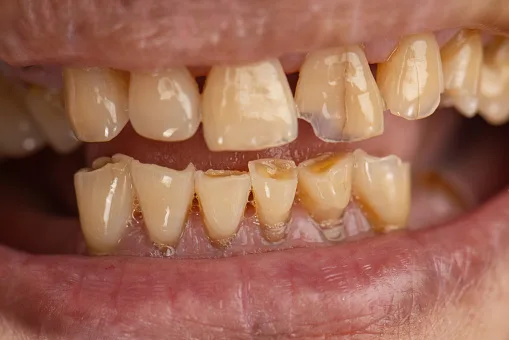
Enamel Erosion
Your enamel is the hard, protective outer layer of your teeth. When it wears down from acidic foods, aggressive brushing, or natural wear, the softer layer underneath, called dentine, becomes exposed. Cold air can pass through microscopic tubules in the dentine and trigger a sharp, sudden pain. This condition is known as dentine hypersensitivity.
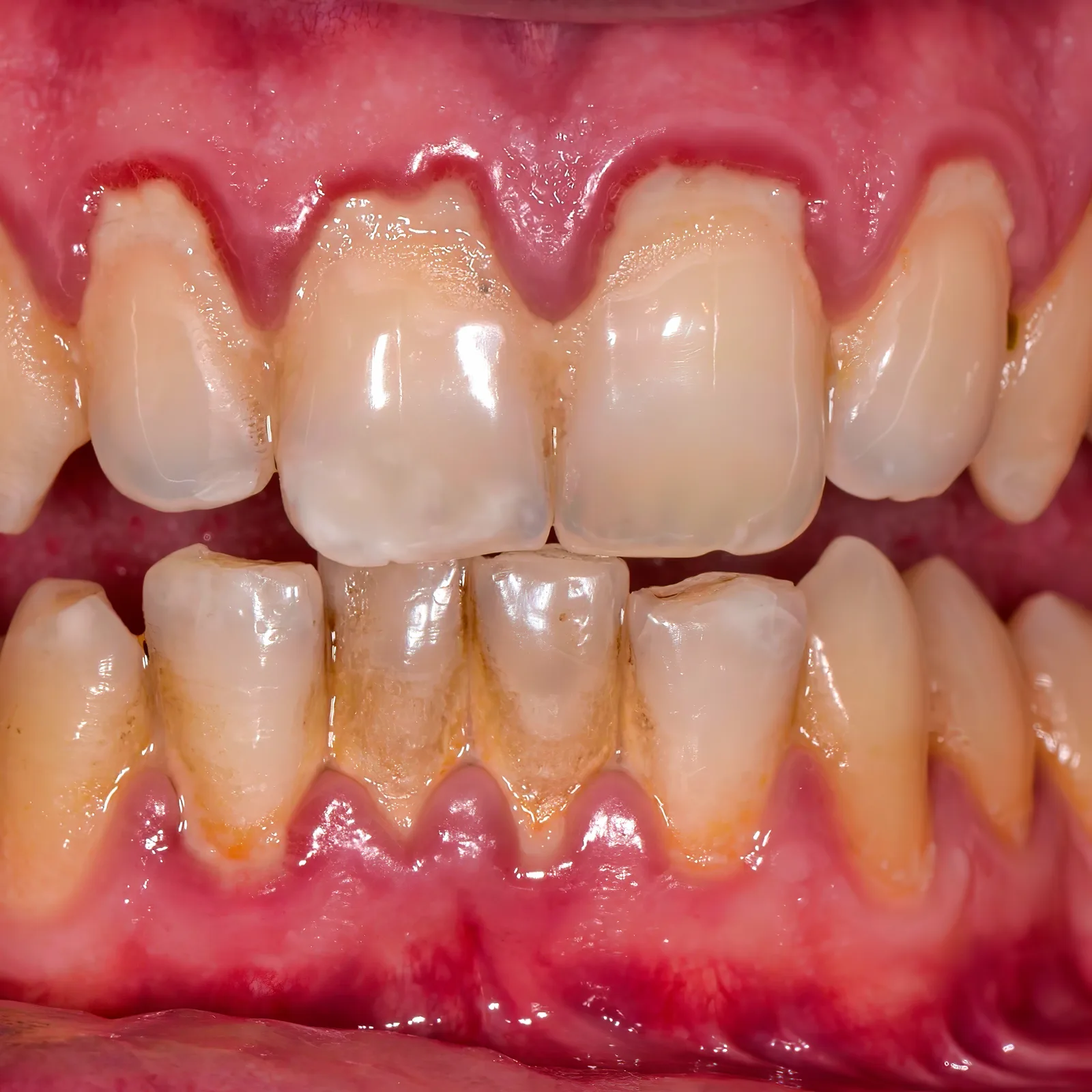
Gum Recession
When gums pull back due to gum disease, hard brushing, or natural ageing, the root surface becomes exposed. Unlike enamel-covered areas, tooth roots lack a thick protective layer, making them far more reactive to cold air. This is why people experiencing gum recession feel increased sensitivity when spending time outdoors during winter or when drinking something cold.
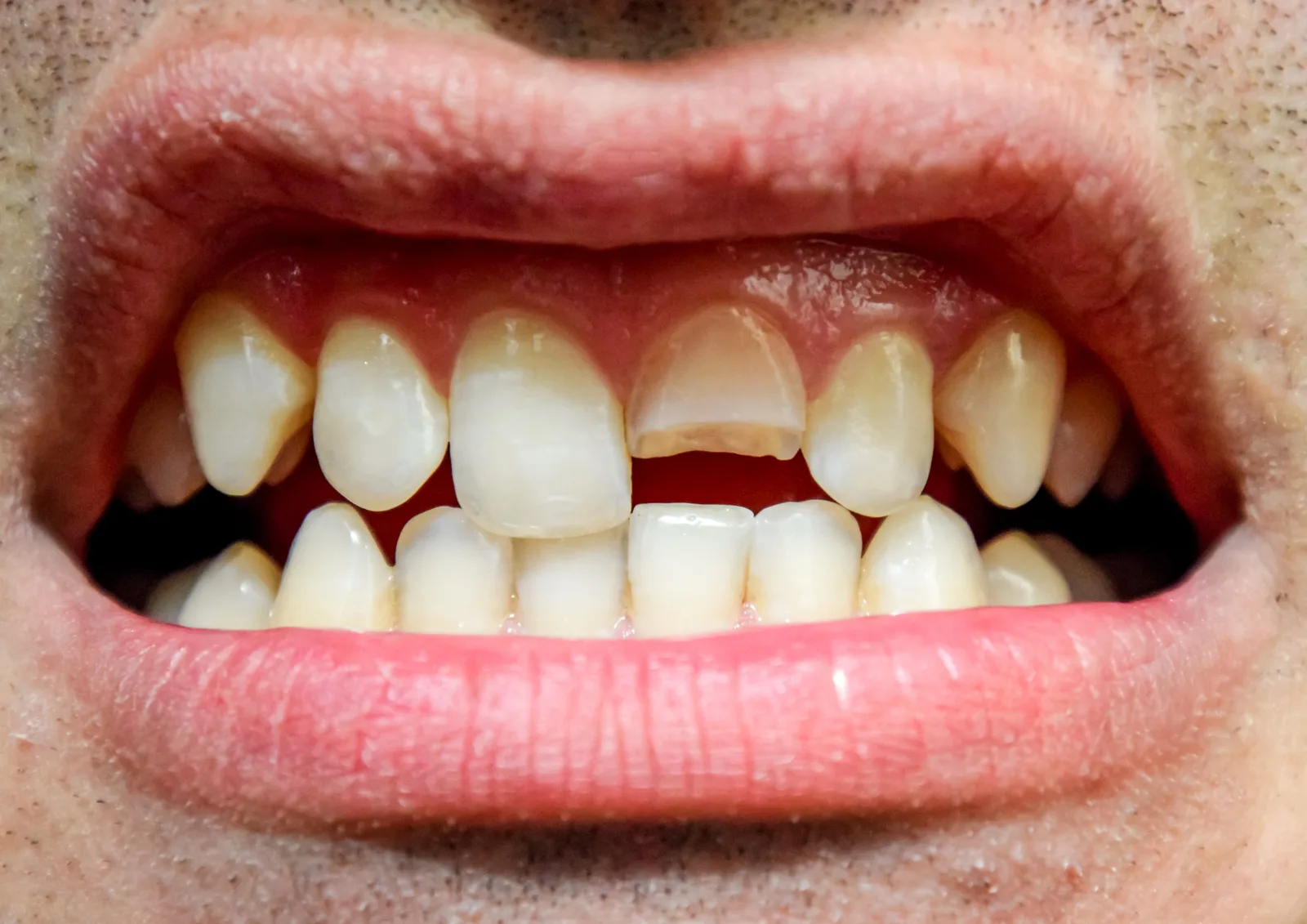
Cracked or Chipped Teeth
Small cracks in teeth are not always visible and may not cause pain under normal conditions. However, cold temperatures can cause teeth to contract slightly, putting pressure on existing cracks and triggering discomfort. Repeated expansion and contraction over time may worsen these micro-fractures, turning an occasional twinge into a persistent problem.
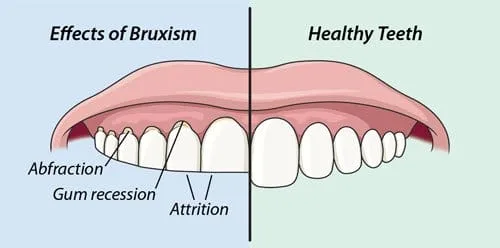
Teeth Grinding (Bruxism)
Clenching or grinding your teeth, often unconsciously during sleep, can gradually wear down enamel and increase sensitivity to cold. Some people also tend to clench more during winter as their body tenses up in response to the cold, making the issue worse. Enamel loss from wear and grinding can be one of the contributing factors to dentine hypersensitivity.
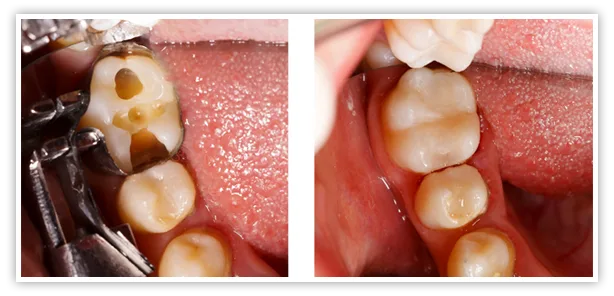
Worn or Damaged Fillings
Older dental fillings can deteriorate over time, creating gaps between the filling and the tooth. These gaps allow cold air and liquids to reach the sensitive inner layers, causing discomfort. If you have had fillings for several years and notice increased winter sensitivity, they may need to be assessed or replaced.

Sinus Pressure
Winter often brings colds, flu, and sinus congestion, which can create pressure that radiates into the roots of your upper teeth. This is particularly common in the upper back teeth, which sit close to the sinus cavity. While this is not technically a dental issue, many people mistake sinus-related discomfort for tooth pain during the colder months.
Warning Signs Your Cold-Weather Tooth Pain Needs Attention
Some degree of tooth sensitivity during winter is common, especially when breathing in cold air or drinking cold beverages. However, there are times when the discomfort may point to something more than seasonal sensitivity. Here are some signs to watch out for:
Pain that lingers after coming indoors
A brief sting when cold air hits your teeth is normal. However, if the pain continues for several minutes after you have moved into a warm environment, it may indicate deeper issues, such as an untreated cavity reaching the pulp or a crack that has progressed beyond the enamel.
Sensitivity isolated to one specific tooth
General sensitivity across multiple teeth is often related to enamel wear or gum recession. However, if the pain is concentrated on a single tooth, it could be a sign of a localised issue such as a cracked tooth, a failing filling, or early-stage decay that needs attention.
Pain when biting down
Cold-related sensitivity typically comes from temperature exposure, not pressure. If you feel a sharp pain when chewing or biting down, especially on one side, it may suggest a hairline fracture, a loose restoration, or an infection developing beneath an existing filling or crown.
Gums bleeding more than usual
If your gums are bleeding more frequently during winter, particularly when brushing or flossing, it could be a sign of gum inflammation or gum disease. Cold, dry air can further irritate inflamed gum tissue, and increased bleeding is often one of the earliest indicators that your gums need professional assessment.
A dull ache in your upper back teeth after a cold or flu
Upper tooth pain during a winter illness is not always dental-related. Sinus congestion creates pressure that can radiate into the roots of your upper molars, mimicking a toothache. However, if the ache persists after your cold has cleared, it is worth seeing a dentist to rule out an underlying dental issue.
Increased sensitivity despite using desensitising toothpaste
If you have been using a desensitising toothpaste for several weeks and are not seeing improvement, the sensitivity may be beyond what store-bought dental products can manage. This could indicate exposed dentine, a deep cavity, or gum recession that requires professional treatment.
How to Reduce Tooth Sensitivity During Cold Weather?
There are several simple steps you can take at home to manage cold-weather sensitivity.
Switching to a desensitising toothpaste containing potassium nitrate or stannous fluoride can help block pain signals from reaching the nerve over time, although it may take a few weeks of consistent use to notice a difference. Brushing gently with a soft-bristled toothbrush helps protect your enamel and gums from further wear. After brushing, try spitting out the excess toothpaste rather than rinsing, as this allows the fluoride to stay in contact with your teeth longer and strengthen weak spots.
On particularly cold days, breathing through your nose instead of your mouth and wearing a scarf over your lower face can reduce direct cold air exposure to your teeth. It is also worth limiting acidic foods and drinks such as citrus, soft drinks, and wine, which can gradually erode enamel and make sensitivity worse.
If home care is not providing enough relief, it may be time to see a professional. At My Dentist Geelong (Highton), our team can assess the underlying cause of your sensitivity through a thorough dental check-up and recommend the right course of action, whether that involves replacing a worn or damaged filling, restoring a weakened tooth with a dental crown, or addressing gum issues through professional dental hygiene treatment.
The key is identifying what is driving the sensitivity so it can be treated at the source, not just managed with toothpaste. If your winter tooth sensitivity has been lingering or getting worse, book an appointment and let us help you get through winter comfortably.
Why is Winter a Good Time to See Your Dentist?
Winter is often the season when dental issues that have been quietly developing finally make themselves known. The cold weather acts as a natural stress test for your teeth, exposing weakened enamel, failing restorations, and gum problems that may have gone unnoticed during warmer months.
Rather than waiting for the pain to worsen, scheduling a check-up during winter allows your dentist to catch these issues early, when treatment is typically simpler, less invasive, and more affordable. It is also a good time to check your remaining health fund benefits, as most funds reset annually and unused dental entitlements do not roll over, so making use of them before they expire helps you get the most value from your cover.
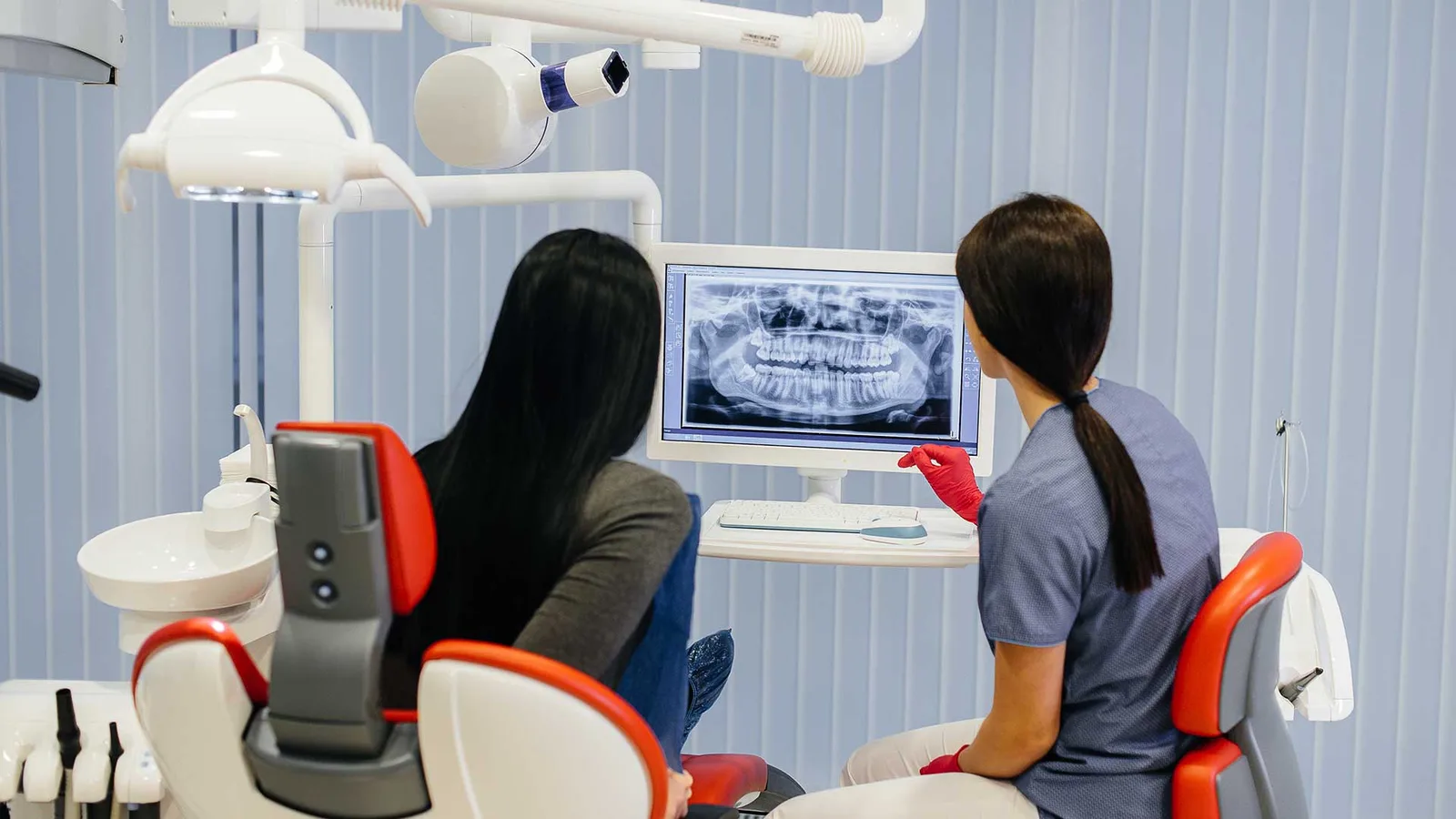
At My Dentist Geelong (Highton), our team can help address any concerns before they develop into something more serious. From a thorough dental check-up and professional teeth cleaning, to restorative work such as fillings and crowns, the team can recommend a treatment plan that suits your needs and budget.
Flexible payment options, including DentiCare and government dental benefits, are also available to support your care. If your tooth pain or sensitivity has been lingering during winter, it may be a good time to arrange a dental check-up and understand what is causing it.